

7 Things to Know About Fly & UV Protection for Your Horse in 2026
Kensington Protective Products has been the trusted name in equine fly and UV protection since 1954. That's nearly 70 years of building gear that actually works, and the difference between their approach and everyone else's becomes obvious fast once you know what to look for.
If your horse is stomping through summer misery, squinting in the midday sun, or rubbing their face raw on the fence post, this is the guide you need.
Quick Reference: What You Need to Know
- Horse flies are most active from 10 a.m. to 4 p.m., the same hours UV levels peak, so protection needs to do double duty
- Standard fly masks offer zero UV protection. Only purpose-built UV-rated masks (like Kensington's UViator line) actually shield your horse's eyes
- Fly protection works best as a system: mask, sheet, and boots working together, not as separate purchases
- Donkeys, mini horses, and draft breeds have very different sizing and skin sensitivity needs than standard horses
- Fly-related costs (vet bills, skin treatments) can run $200 to $500 or more per season if left unaddressed
Table of Contents
- Why fly protection is a medical issue, not just a comfort one
- Do fly masks protect against UV rays?
- What is the Kensington UViator line?
- Why one product is never enough: the full protection system
- Not all horses are the same: breed-specific fly protection
- Is it too hot to use a fly sheet in summer?
- Fly protection comparison: Kensington vs. standard options
- FAQ
Why Fly Protection Is a Medical Issue, Not Just a Comfort One {#why-fly-protection-is-a-medical-issue}
We've all seen it. A horse stomping, tossing their head, rubbing against the fence post in total misery. It's easy to think the flies are just annoying. But here's what's actually happening under the surface.
Horse flies (the Tabanidae family) are confirmed vectors of equine infectious anemia, swamp fever, and anthrax. A single fly can mechanically transmit pathogens within seconds of feeding. That's not a comfort problem. That's a health crisis that lands on your doorstep every summer.
During peak summer months, fly populations near water sources, wetlands, or wooded pastures can reach into the thousands per acre. Your horse is not being dramatic. They're genuinely under siege.
The skin damage alone adds up fast. Conditions like sweet itch (insect bite hypersensitivity), ventral midline dermatitis, and Queensland itch can cost horse owners $200 to $500 or more per season in veterinary treatments, including topical steroids and antihistamines. Prevention is dramatically cheaper than treatment.
Want to understand more about what actually keeps horse flies at bay? Our guide on what keeps horse flies away digs into that in detail.
Do Fly Masks Protect Against UV Rays? {#do-fly-masks-protect-against-uv-rays}
This is one of the most common questions on horse owner forums, and the answer surprises a lot of people.
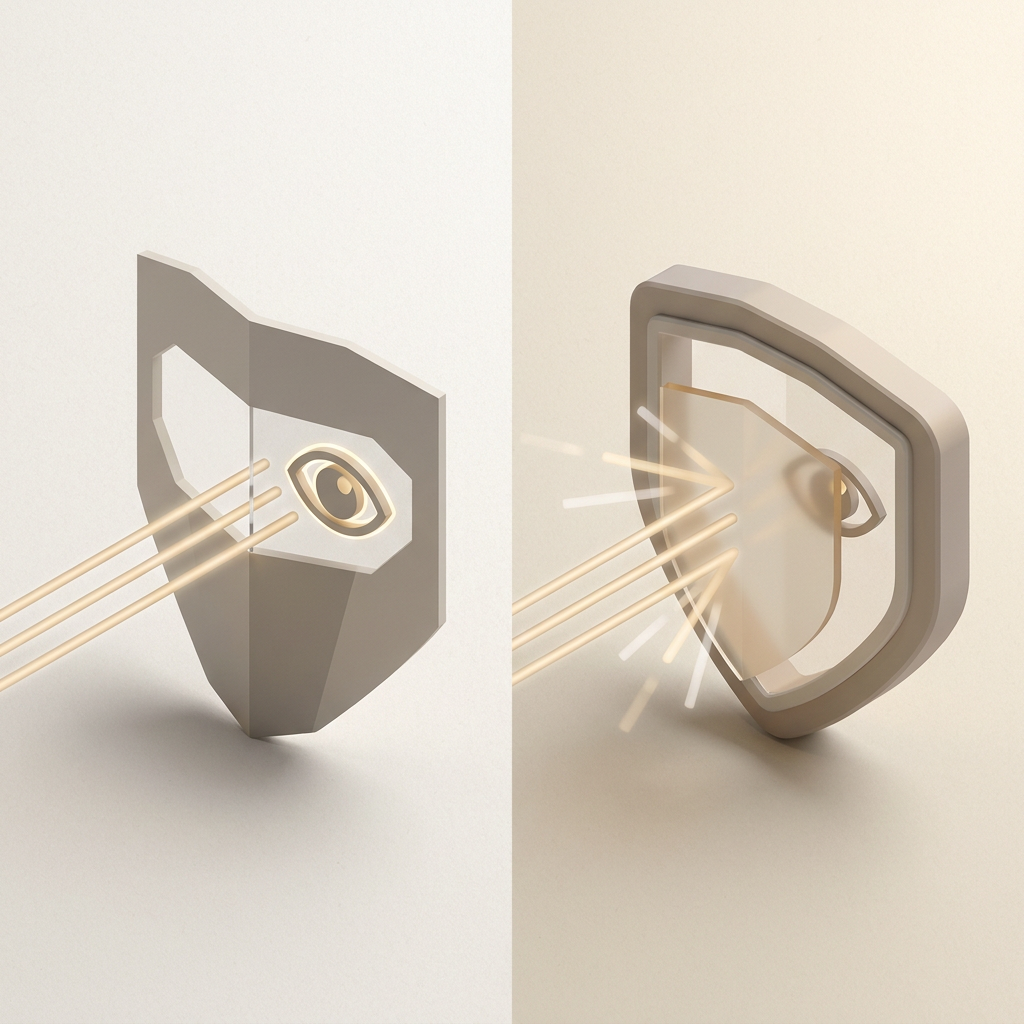
Standard fly masks are designed to keep flies off the face and eyes. That's it. If the mesh isn't specifically rated for UV blocking, it's letting UV rays through as if the mask weren't there at all.
This matters more than most people realize. Horses are highly susceptible to UV-related eye conditions, including squamous cell carcinoma (SCC) of the eye, which is the most common ocular tumor in horses. Horses with pink or unpigmented skin around the eye, pale eyes, or light-colored coats face significantly elevated risk.
Horse flies are most active between 10 a.m. and 4 p.m., which is also peak UV index time. So the hours when your horse needs the most fly protection are the exact same hours when UV exposure is highest. One problem, one window, and you need gear that handles both.
Check out our complete guide on signs your horse has UV eye sensitivity if you're not sure whether your horse is at risk.
What Is the Kensington UViator Line? {#what-is-the-kensington-uviator-line}
This is where Kensington parts ways with every other brand on the market.
The UViator fly mask collection is purpose-built to block up to 90% of UV rays while simultaneously protecting against flies. That's not a marketing claim. That's a clinically meaningful level of protection for horses with light-colored coats, pink skin around the eye, or diagnosed conditions like uveitis.
No other fly mask on the market combines this level of UV blocking with full fly protection. SmartPak, Dover Saddlery, Schneider, none of them have a purpose-built UV-rated mask line backed by nearly 70 years of equine protection expertise.
UViator masks are priced between $79.99 and $99.99. Yes, that's more than a basic fly mask. But when one round of veterinary treatment for a UV-related eye condition can cost hundreds of dollars (and ocular SCC can lead to loss of the eye entirely), the math becomes pretty clear pretty fast.
Our team has also put together a roundup of the 6 best UV-protecting fly masks for horses in 2026 if you want a deeper comparison before buying.
Why One Product Is Never Enough: The Full Protection System {#why-one-product-is-never-enough}
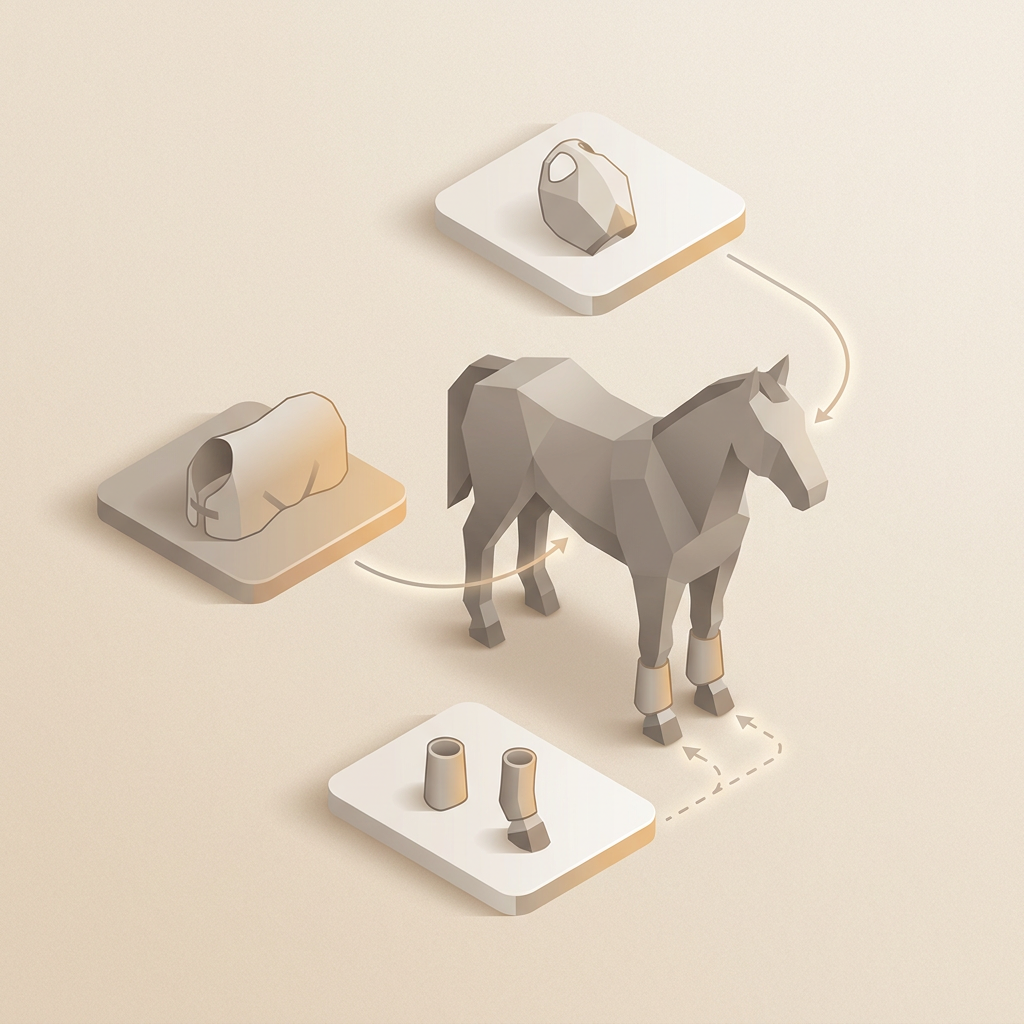
Picture this: you put a fly mask on your horse, feel good about it, and head inside. Meanwhile, flies are happily feasting on your horse's belly, legs, and flanks. The mask is doing its job. The rest of your horse is completely unprotected.
Horse flies don't pick one spot. They attack the face, the body, and the legs at the same time. Piecemeal protection leaves real gaps, and flies find every single one of them.
A complete Kensington protection system covers your horse from head to hoof. A UV-rated fly mask from the horse fly masks collection protects the eyes, ears, and face. A properly fitted protective fly sheet covers the torso and back, deflecting flies while blocking radiant heat and UV rays. Fly boots take care of the lower legs, where flies love to concentrate and where horses have very little ability to protect themselves.
One more thing worth mentioning: the belly band for protective sheets solves one of the biggest frustrations horse owners have, which is sheets that twist, slide, or gap under the belly. It's a small addition that makes the whole system work the way it's supposed to.
Not All Horses Are the Same: Breed-Specific Fly Protection {#not-all-horses-are-the-same}
Here's where the rest of the industry falls completely flat. Almost every competitor writes fly protection content for a generic 1,100 lb Quarter Horse. Drafts, minis, and donkeys are an afterthought at best, completely ignored at worst.
Kensington is one of the only brands that has built dedicated product lines for the full spectrum of equines.
Draft horses like Clydesdales, Percherons, and Belgians typically weigh between 1,600 and 2,400 lbs, with neck and chest measurements that make standard fly sheets and masks physically impossible to fit correctly. A sheet that doesn't fit right won't stay put, and a mask that's too tight causes rubbing and eye pressure. The draft horse collection, including the draft protective fly sheet, is built specifically for these animals, not just "sized up" from a standard pattern.
Mini horses have a proportionally larger surface area relative to their body mass, which makes them more vulnerable to heat stress from fly-related hypersensitivity reactions. The miniature horse collection is purpose-scaled, not just scaled down. Honestly, the difference in fit between a proper mini-sized product and a downsized horse product is significant.
Donkeys deserve their own mention entirely. They have thinner skin than horses and fewer natural sweat-based repellent compounds, making them genuinely more vulnerable to fly bites. The classic question from donkey owners, "Why do my donkey's legs get eaten even when I protect the body?", has a real answer, and it starts with dedicated protection. The mini donkey fly boots and mini donkey fly mask with fleece were designed specifically for these animals. You can also read the full guide on stopping flies on donkeys for a complete breakdown.
Is It Too Hot to Use a Fly Sheet in Summer? {#is-it-too-hot-to-use-a-fly-sheet}
This is the question that causes the most anxiety among horse owners in Texas, Florida, Arizona, and other hot states. And honestly? It's the right question to ask.
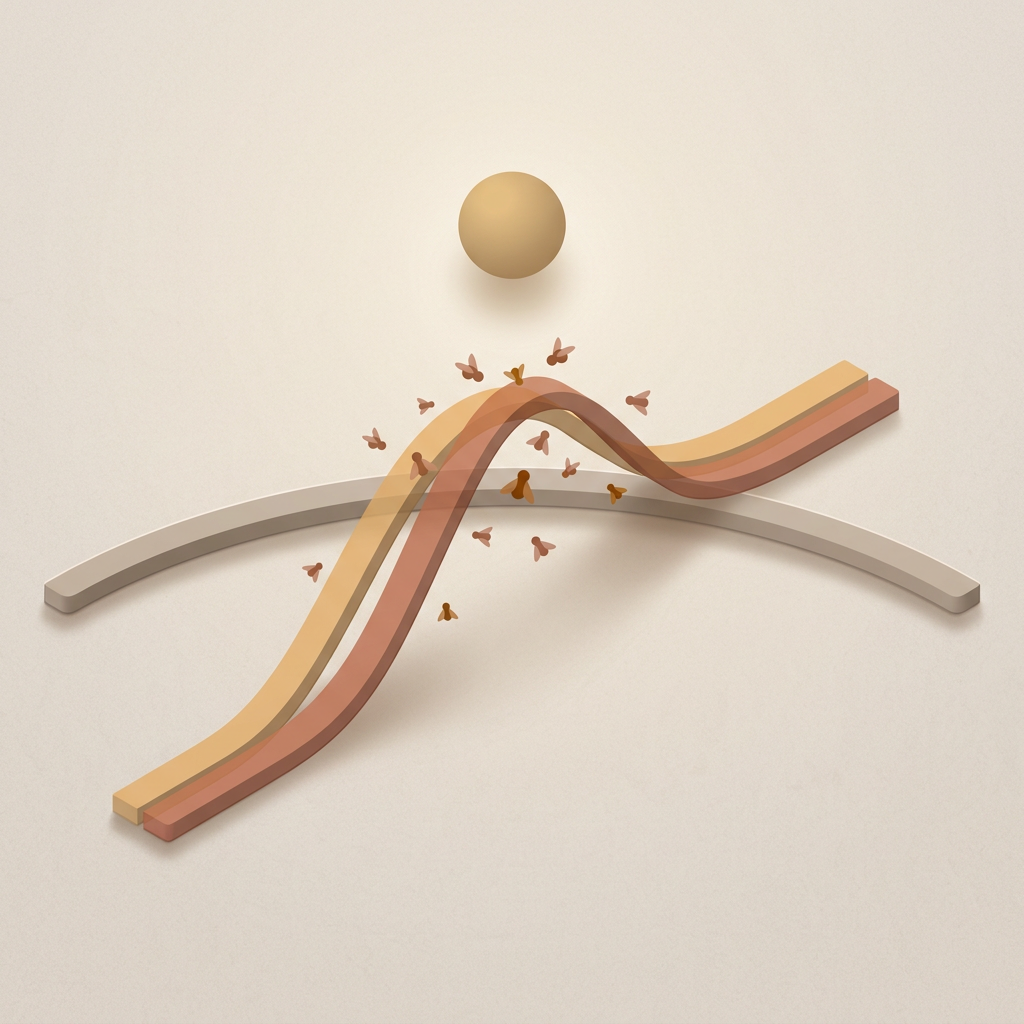
A well-designed mesh fly sheet actually helps keep your horse cooler in the sun, not hotter. A properly fitted sheet reflects solar radiation, which means that reflected heat never reaches your horse's skin at all. Compare that to a dark coat absorbing radiant heat all day in direct sunlight with zero protection.
That said, fit and breathability are everything. A sheet that traps air instead of allowing airflow can absolutely cause overheating, and cheap, poorly-vented fly sheets are genuinely dangerous in high heat. This is not a place to cut corners.
Kensington's protective fly sheets are built with breathable mesh that moves air while blocking flies and reflecting UV. For the full breakdown on temperature thresholds and warning signs, read what temperature is too hot for a fly sheet. And if you're buying for a pasture horse who lives outdoors all summer, the guide on the 5 best fly sheets for pasture horses in 2026 walks through exactly what to look for.
Fly Protection Comparison: Kensington vs. Standard Options {#fly-protection-comparison}
| Feature | Kensington UViator Mask | Standard Fly Mask | No Mask |
|---|---|---|---|
| UV protection | Up to 90% blocked | 0% | 0% |
| Fly barrier | Yes | Yes | No |
| Suitable for uveitis / pink skin | Yes (designed for it) | No | No |
| Draft sizing available | Yes | Rarely | N/A |
| Mini / donkey sizing | Yes (dedicated line) | Almost never | N/A |
| Lifetime guarantee | Yes | Usually no | N/A |
| Free shipping (orders $150+) | Yes | Varies | N/A |
The difference between a UV-rated mask and a standard fly mask isn't a small upgrade. For horses with specific eye health conditions, it's the difference between real protection and full exposure.
FAQ {#faq}
Can I leave a fly mask on my horse overnight? It depends on the mask and your setup. The main concerns are rubs, restricted vision in low light, and whether the mask could catch on something. Kensington has put together a detailed look at whether horses can see at night while wearing a fly mask to help you make an informed call.
What's the difference between a fly sheet and a UV sheet? Do I need both? You don't need two separate products if you buy the right one. A quality fly sheet like Kensington's protective fly sheet blocks flies and reflects UV radiation at the same time. Buying two separate products is an unnecessary expense when one well-built sheet does both jobs.
Why do natural repellents like garlic or essential oils fail against horse flies? Horse flies are aggressive, persistent feeders. Natural repellents can reduce nuisance insects like gnats, but they rarely work against full-sized biting flies. Physical barriers (masks, sheets, boots) are the only reliably effective defense. Read more in our guide on what keeps horse flies away.
My fly sheet keeps slipping. What am I doing wrong? Usually it's a fit issue or a missing retention system. The belly band is not optional if your horse moves a lot or rolls. Adding the belly band for protective sheets is often the simple fix that makes everything else work the way it should.
Does Kensington make products for miniature donkeys specifically? Yes. The mini donkey collection includes fly masks and fly boots purpose-built for these animals, not just downsized horse gear that doesn't fit correctly.
How long do Kensington fly masks and sheets last? With normal care, Kensington's protective gear is built to last multiple seasons. The brand backs their products with a lifetime guarantee, which says a lot about how confident they are in the construction quality. Proper washing and storage between seasons extends the life of every piece significantly.