

Horse Blanket Size Chart: 8 Must-Know Tips for a Perfect Fit in 2026
Getting your horse's blanket size right is simpler than you think, once you know the one measurement that actually matters. Horse blankets are sized by body length in inches, not by height in hands, and they come in increments from about 60" up to 90" and beyond.
Got a compact Quarter Horse, a long-backed Warmblood, or a little mini? You'll find what you need here. We cover exactly how to measure, how to read a size chart, and how to tell if a blanket actually fits once it's on.
Quick Reference:
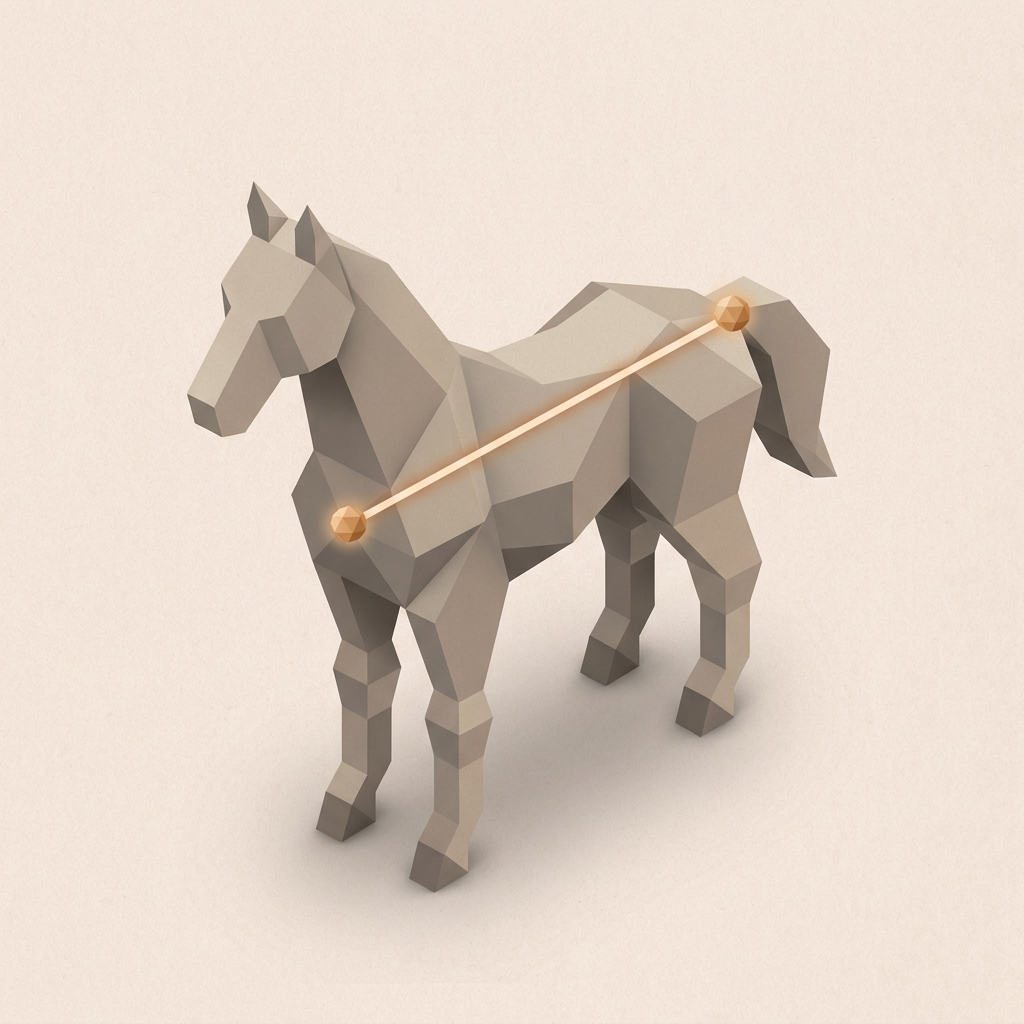
- Measure from center of chest to center of tail along the side of the body
- Standard horse sizes run 72" to 81" (most common)
- Miniature horses: 32" to 52". Draft horses: 84" to 90"+
- When between sizes: wide/heavy build = size up, narrow/light build = size down
Table of Contents
- How to measure your horse for a blanket
- The complete horse blanket size chart
- Size by breed and body type
- What if my horse is between sizes
- How to check if your horse's blanket fits correctly
- Blanket size by season and fill weight
- Sizing for minis, drafts, and donkeys
- FAQ
How to Measure Your Horse for a Blanket
Here's the thing that trips up almost every first-time blanket buyer: your horse's height has almost nothing to do with blanket size. A 16-hand horse could need anywhere from a 74" to an 84" blanket. It all comes down to body length.
Grab a soft measuring tape (the fabric kind, not a metal one) and follow these steps:
Step 1: Stand your horse squarely on level ground.
Step 2: Place the end of the tape at the center of your horse's chest, right at the point where the two sides meet.
Step 3: Run the tape along the side of your horse's body, keeping it parallel to the ground.
Step 4: Stop at the center of the tail head.
That number in inches is your horse's blanket size. If you get something like 76", round up to the next standard size, which would be 78".
Pro tip: have a helper hold the tape at the chest while you walk it back to the tail. It's genuinely hard to do this solo and get an accurate read.
The Complete Horse Blanket Size Chart
Here's a straightforward reference chart covering the full range from miniature horses all the way up to draft horses.
| Horse Type | Typical Body Length | Blanket Size Range |
|---|---|---|
| Miniature Horse / Mini Donkey | Under 52" | 32" – 52" |
| Small Pony | 52" – 60" | 52" – 60" |
| Large Pony / Small Horse | 60" – 68" | 60" – 68" |
| Average Horse (light build) | 68" – 74" | 69" – 75" |
| Average Horse (medium build) | 74" – 78" | 75" – 78" |
| Large Horse (tall/long) | 78" – 82" | 78" – 84" |
| Warmblood / Large Breed | 80" – 86" | 81" – 87" |
| Draft Horse | 84" and up | 84" – 90"+ |
Horse blankets usually come in 3-inch increments. The most common sizes for full-sized horses are 72", 75", 78", and 81". If your measurement falls between two sizes, don't worry. We cover exactly what to do in the section below.
Size by Breed and Body Type
Here's where it gets interesting. Two horses can stand the exact same height and measure the same body length but still need very different blankets. Body type matters, a lot.
Quarter Horses tend to be wide through the chest and shoulder. They often need a size with good shoulder gussets to prevent rubbing.
Thoroughbreds are usually long but narrow. They may need a slightly smaller size than their body length suggests, or a blanket cut specifically for narrow builds.
Arabians often have a shorter back and lighter bone structure. They can run a full size smaller than other breeds of similar height.
Warmbloods run large. Most adult Warmbloods wear an 80" to 84", and some need an 87". If you own a Warmblood, start your search at the larger end of the chart.
Draft breeds (Clydesdales, Percherons, Shires) are their own category entirely, and standard sizing charts rarely go big enough. Kensington's draft collection is built specifically for these horses, so you're not trying to squeeze a Clydesdale into something made for a standard-sized horse.
Always measure first, then use breed type as a secondary check.
What If My Horse Is Between Sizes?
This comes up constantly, and the answer is pretty simple.
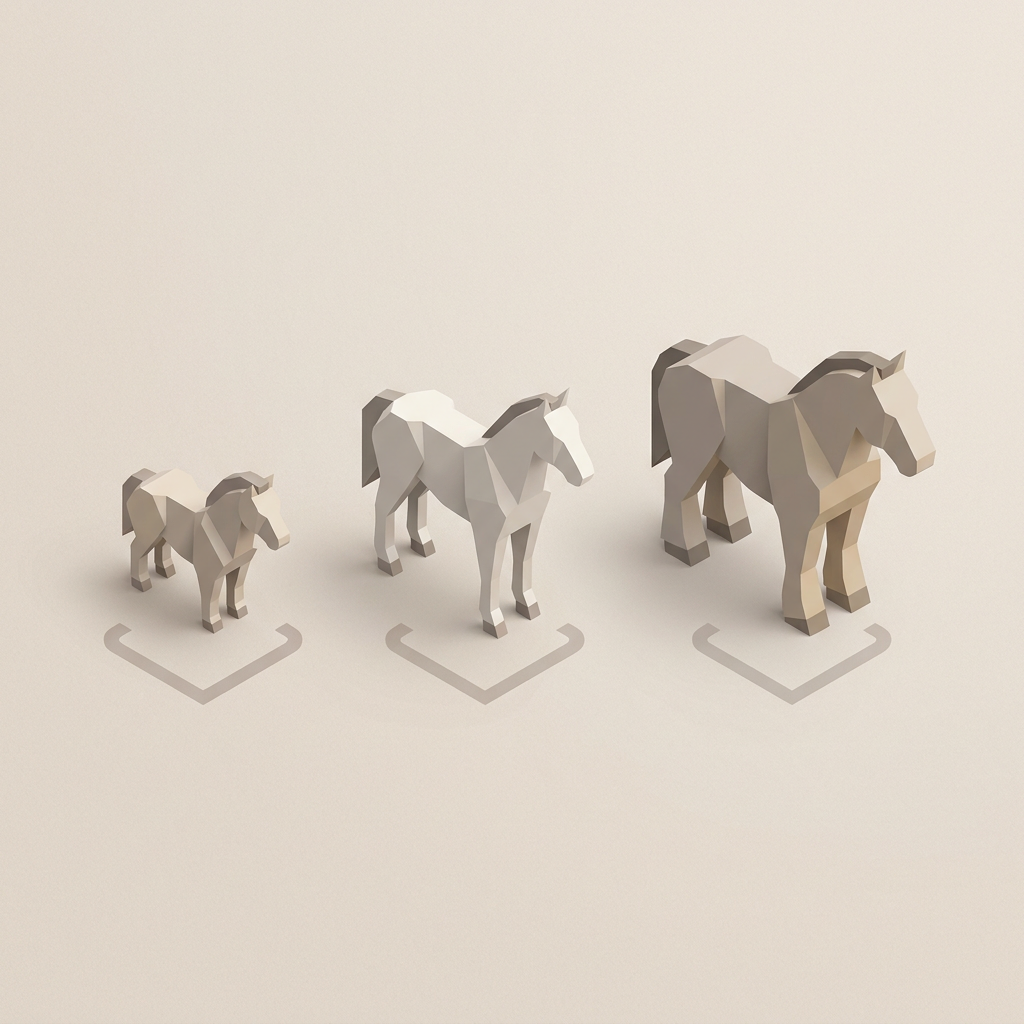
If your horse measures right between two sizes, here's the rule most equine fitting experts follow. Wide, heavily muscled, or round body type? Size up. Narrow, lean, or fine-boned? Size down.
It all comes down to where the blanket sits on the shoulder. A blanket that's too small pulls forward and digs into the withers. One that's too large slides back and bunches at the tail. Neither is comfortable, and both cause real problems over time.
Shoulder rubs are one of the most common blanket-related issues in horses, and they're almost always a fit problem, not a fabric problem. Getting the size right from the start prevents that.
How to Check If Your Horse's Blanket Fits Correctly
You've measured, you've ordered, the blanket arrived. Now put it on and run through these five checks before you leave your horse in it.
1. Shoulder mobility. Lift your horse's front leg forward (like you're picking the hoof) while the blanket is on. The blanket should move with the leg without pulling or binding. No movement means shoulder rubs are guaranteed.
2. Chest fit. The chest closure should sit at the center of the chest without gaping open or straining at the buckles. A little room is fine. Tightness is not.
3. Tail coverage. The back edge of the blanket should reach the top of the tail head. Falls short means it's too small. Drapes several inches past the tail means it's too large.
4. Belly straps. With surcingles on, you should be able to fit a fist (about 4 inches) between the strap and your horse's belly. Too tight restricts comfortable movement. Too loose becomes a tripping hazard.
If the fit still isn't right after checking these five things, you may need to troubleshoot the cut rather than just the size. Kensington's guide on how to repair horse sheets and blankets covers adjustments you can make at home. The belly band for protective sheet is also worth looking at for horses whose blankets tend to shift during turnout.
Blanket Size by Season and Fill Weight
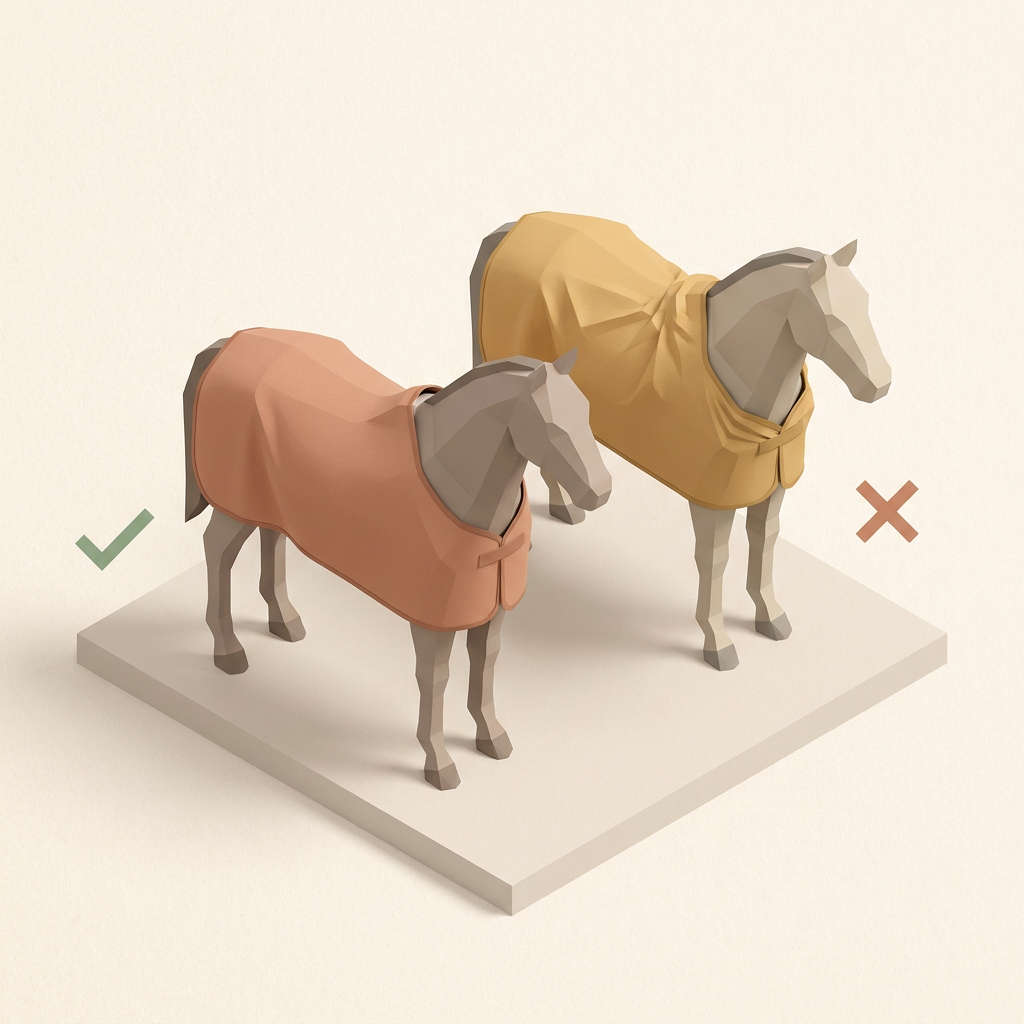
Sizing isn't just about the number. It's also about how much fill is inside the blanket, because a heavily padded winter blanket and a lightweight fly sheet can actually fit a little differently even at the same labeled size. Honestly, this catches a lot of people off guard.
| Conditions | Blanket Type | Fill Weight | Notes |
|---|---|---|---|
| Summer / fly season | Fly sheet or UV sheet | 0g | Size normally |
| Fall (40°F – 50°F) | Lightweight turnout | 0g – 100g | Light build or clipped horses |
| Early winter (30°F – 40°F) | Medium turnout | 150g – 200g | Standard for most horses |
| Cold winter (20°F – 30°F) | Heavy turnout | 200g – 300g | Clipped or low body condition |
| Extreme cold (below 20°F) | Heavy winter blanket | 300g – 400g | With possible neck cover addition |
The American Association of Equine Practitioners recommends blanketing clipped horses when temps drop below 41°F, and unclipped horses with full coats below 14°F. A horse's body condition score matters just as much as the thermometer, though. A thin horse needs more coverage than a well-conditioned one at the same temperature.
One important fitting note: turnout blankets used outdoors during movement need about 1 to 2 inches of extra ease compared to stable blankets. Your horse is trotting, rolling, and playing, and the blanket has to move with them. Kensington's winter turnout blanket collection is built with active turnout in mind. And if you're thinking ahead to warmer months, this guide on what temperature is too hot for a fly sheet pairs nicely with blanket sizing when you're building out your horse's full seasonal wardrobe.
Sizing for Minis, Drafts, and Donkeys
Most size charts just ignore the horses at the ends of the spectrum. If you have a mini or a draft, you've probably already noticed that most guides go from 60" to 90" and call it a day. That leaves a lot of owners guessing.
Miniature Horses
Mini horses typically need blankets in the 32" to 52" range. These are not just "small horse blankets." The proportions are different, especially through the neck and chest, and standard sizing will never fit a mini correctly. Kensington's miniature horse collection is designed specifically for these smaller equines, so you're not improvising with something made for a full-sized horse.
Draft Horses
Draft breeds often need 84" to 90" or larger. A Percheron or Clydesdale can easily wear a 90" or even go custom. Beyond the size number, drafts need extra width through the chest and shoulder. A blanket cut for a standard horse will bind at the shoulders even if the length looks right on paper. Kensington's draft collection and the draft protective fly sheet are built with these wider proportions in mind.
Mini Donkeys
Donkeys have a different body shape than horses. They're wider through the barrel relative to their length, and their withers sit differently. Sizing a donkey the same way you'd size a horse leads to poor fit almost every time. Kensington's mini donkey collection covers protective gear designed for donkey proportions. If you're also dealing with fly issues, this guide on fly protection for donkeys is worth a read.
FAQ
Q: What size blanket does a 15-hand horse need? A: You can't determine blanket size from height alone. A 15-hand horse could need a 72" or a 78" depending on body length. Always measure from the center of the chest to the center of the tail along the body's side. That number in inches, rounded up to the nearest 3-inch increment, is your blanket size.
Q: Should I size up or size down if my horse is between sizes? A: It depends on body type. Wide, stocky, or heavily muscled horses do better sizing up. Narrow, lean, or fine-boned horses usually fit better sizing down. When you're not sure, a slightly larger blanket causes fewer issues than one that's too snug at the shoulder.
Q: Do horse sheets and horse blankets use the same sizing? A: They use the same measurement method (chest to tail), but the fit can feel different. Heavy-fill winter blankets have more bulk, so they may feel snugger than a lightweight sheet at the same labeled size. Turnout blankets also need a little more ease for movement compared to stable sheets.
Q: How do I know if my horse's blanket fits at the shoulders? A: Lift one front leg forward while the blanket is on. The blanket should follow the movement without pulling or restricting. If it yanks tight across the chest, it's too small or lacks shoulder gussets. Shoulder rubs are almost always a fit issue, so this check is worth doing every time you try a new blanket.
Q: Can I use a standard size chart for a draft horse or mini? A: Standard charts (60" to 90") won't serve you well at either extreme. Miniature horses need blankets sized 32" to 52" with mini-specific proportions. Draft horses often need 84" to 90"+ with extra width built in. Look for brands like Kensington that offer dedicated collections for these horse types rather than trying to adapt standard sizing.
Q: When should I measure my horse for a winter blanket? A: Don't wait until it's cold. Measure and order at least 4 to 6 weeks before winter arrives. By the time temperatures drop, popular sizes go fast. Measuring in early fall also gives you time to exchange or adjust if the fit isn't right before you actually need the blanket.