

Mini Horse Fly Mask FAQ: Answers To The 7 Most Common Questions (2026 Guide)
Finding the right fly mask for your miniature horse isn't as simple as buying a smaller version of a regular horse mask. Mini horses have unique anatomy, live closer to the ground where flies congregate, and face specific challenges that require specialized protection solutions.
After nearly 70 years of experience in equine protection, we've answered these same seven questions countless times from mini horse owners. You'll learn exactly how to size, fit, and care for your mini's fly mask to keep them comfortable and protected all season long.
Quick Reference: Mini Horse Fly Mask Essentials
- Sizing: Measure face length and eye spacing; mini masks run 20-25% smaller than standard
- Fit: Allow 1-2 inches eye clearance (less than full-size horses need)
- Frequency: Change every 4-6 hours during peak fly season
- UV Protection: Critical due to minis' closer proximity to ground-reflected radiation
- Cost: Expect $35-65 for quality mini-specific masks
What Size Fly Mask Does My Mini Horse Need?
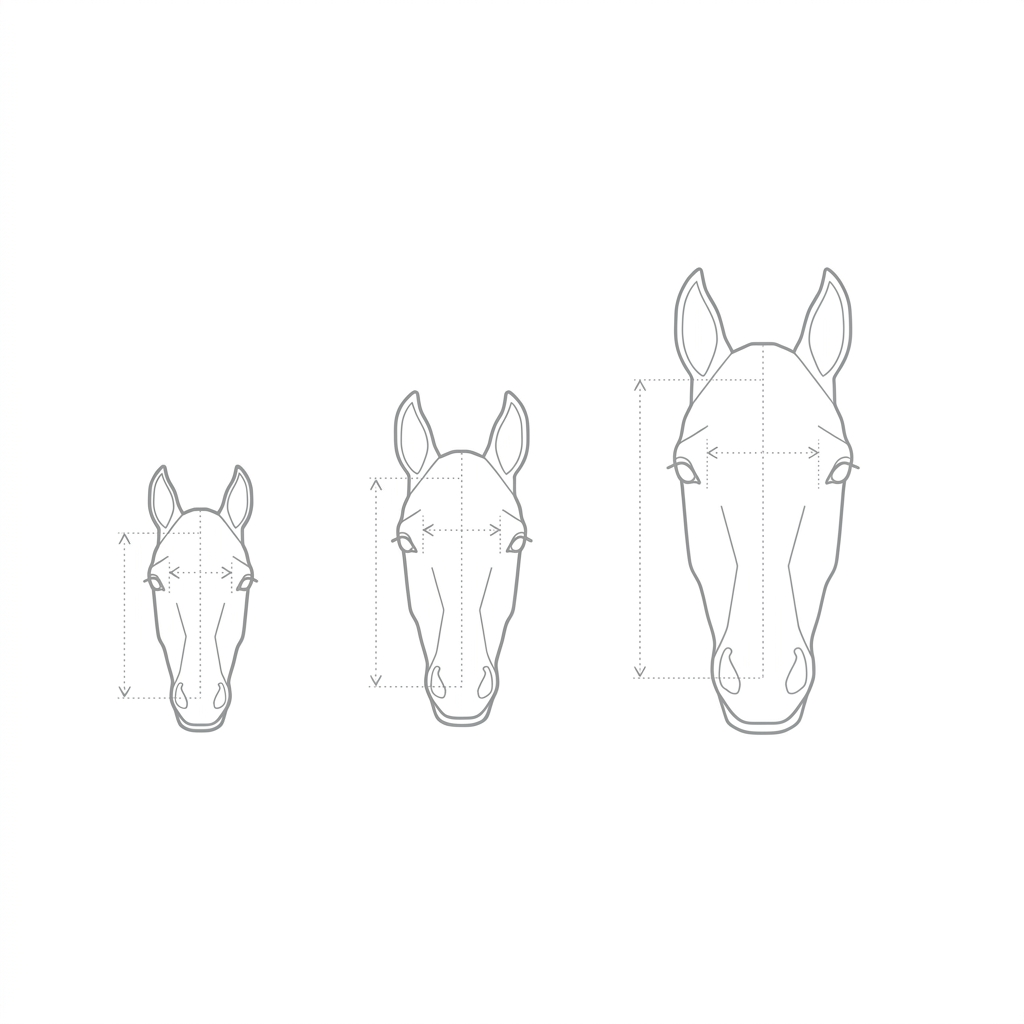
You can't just scale down a regular horse mask and expect it to fit properly. That's the first mistake most people make.
Mini horses typically stand 34-38 inches tall, but their head proportions are unique. Their eyes sit closer together (3-4 inches apart versus 6-8 inches on full-size horses), and their facial angles are different too.
Here's how to get the right size:
Step 1: Measure face length from the center of the forehead to just below the nostrils. Most minis need masks sized for 12-15 inch face lengths.
Step 2: Check eye spacing by measuring the distance between the inner corners of your mini's eyes. This determines the mask width you need.
Step 3: Consider your mini's build. A stocky mini might need a wider mask than a refined one, even if they're the same height.
The Kensington miniature horse collection offers masks specifically designed for these proportions, not just shrunk-down versions of regular masks. Sarah learned this the hard way when she bought a "small" horse mask for her mini, thinking it would work fine. The mask was too wide, kept sliding sideways, and left gaps where flies could get in. When she switched to a mini-specific mask, her mini actually seemed more comfortable wearing it.
Can I Use a Foal Mask on My Miniature Horse?
You might think a foal mask would be perfect for your mini, but there's a crucial difference you need to know about.
Foal masks are designed for baby horses that will grow. They're built with different proportions because foals have relatively larger heads compared to their bodies, and their features will change as they mature.
Mini horses are fully mature animals with stable proportions. Their heads are proportionally smaller and more refined than a foal's, with different eye placement and facial angles.
The key differences:
- Foal masks often have extra room for growth that creates gaps on minis
- The eye positioning is wrong for most miniature horses
- The nose coverage may be too long or too short
- The ear spacing doesn't match mini anatomy
A proper mini mask like those in Kensington's specialized line accounts for these mature, proportional differences.
How Often Should I Clean My Mini's Fly Mask?
Mini horses need their masks cleaned more frequently than full-size horses. Here's why: they live closer to the ground where they encounter more dirt, dust, and debris that sticks to their masks.
They're also more active in smaller spaces, which means more rubbing against fences, feeders, and other surfaces.
Your cleaning schedule should look like this:
Daily during fly season: Quick rinse and debris removal, especially around the eyes
Weekly: Full wash with mild soap and thorough rinse
Monthly: Deep clean and condition check for any wear or damage
Remove any stuck-on debris, rinse with cool water, use a gentle brush if needed, and let air dry completely before putting it back on. Never use harsh detergents or bleach. These can break down the protective mesh and cause skin irritation.
Pro tip from longtime mini owners: Keep two masks in rotation. While one is being cleaned and dried, your mini stays protected with the backup.
Do Mini Horses Need UV Protection Like Full-Size Horses?
Mini horses actually need UV protection even more than their full-size cousins.
Your mini spends their entire life 2-3 feet closer to the ground than a regular horse. That puts them in the zone where UV radiation reflects off grass, sand, and concrete surfaces, creating a double-dose of exposure.
This reflected radiation hits their faces and eyes from below, right where most fly masks provide less coverage. Mini horses with light-colored faces or pink skin around their eyes are especially vulnerable.
Signs your mini needs enhanced UV protection:
- Squinting or excessive blinking in bright sunlight
- Pink or red skin around the eyes getting darker or rougher
- Reluctance to go outside during midday hours
- Tearing or discharge that's worse on sunny days
The UViator fly masks with 90% UV protection are specifically designed to handle this reflected radiation problem. Regular mesh masks just don't provide enough UV blocking for at-risk minis.
We've seen too many mini horses develop UV-related eye problems that could have been prevented with proper protection. Don't wait until you see symptoms.
Why Does My Mini Horse's Fly Mask Keep Slipping Off?
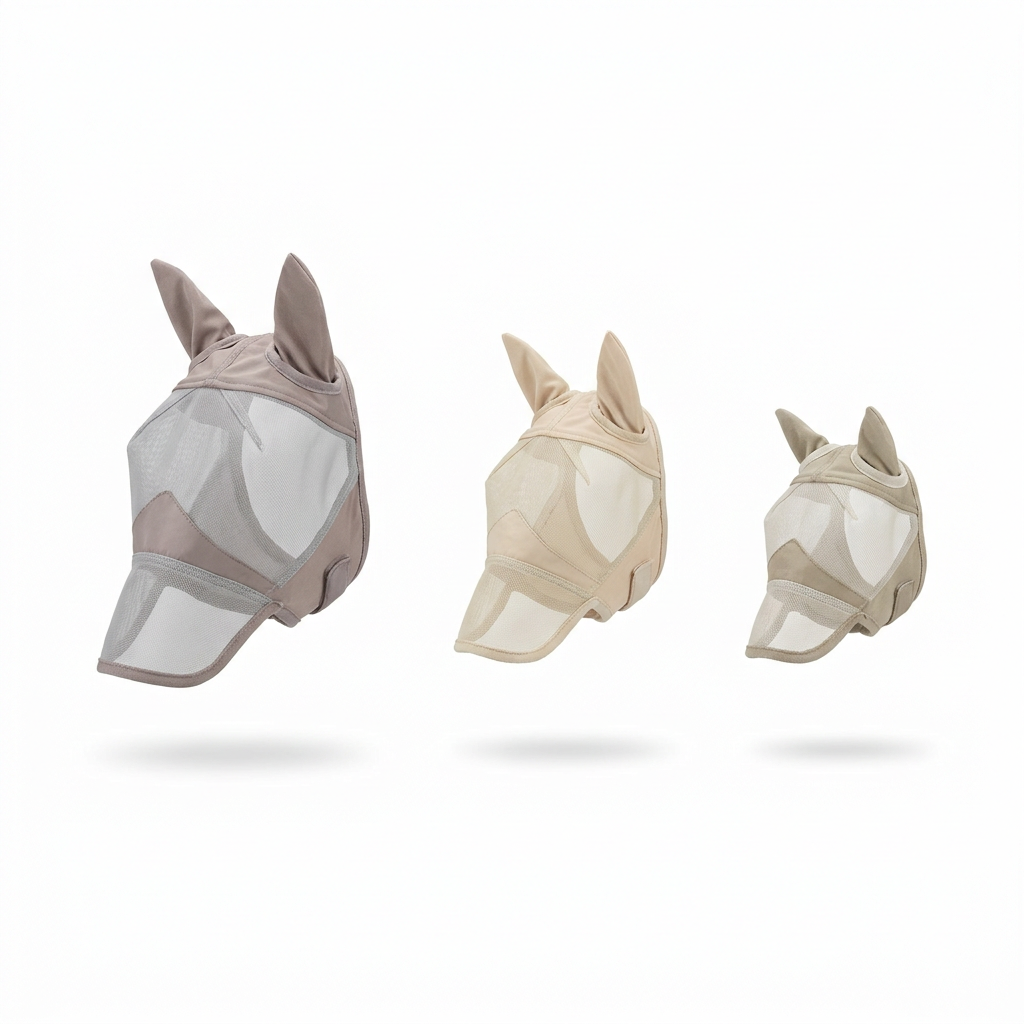
The slipping mask problem drives mini owners crazy, but it's almost always fixable once you understand what's happening.
Most slipping happens because the mask is either too big or positioned incorrectly for your mini's unique head shape. Mini horses have different head angles and ear positions than full-size horses.
Common causes and fixes:
Problem: Mask slides down over the eyes
Fix: The mask is too large or the crown strap is too loose. Try the next size down or adjust the straps.
Problem: Mask twists to one side
Fix: Usually means the eye spacing is wrong for your mini. You need a mask designed for closer-set eyes.
Problem: Mask pushes up and exposes the bottom of the eyes
Fix: The nose piece is too short. Mini-specific masks have proportionally longer nose coverage.
Problem: Ears keep popping out
Fix: Ear spacing is wrong, or you need a mask with more flexible ear areas.
Most slipping problems come from using masks designed for different head types. A mask specifically engineered for miniature horse anatomy, like those in the Kensington miniature collection, eliminates most fitting issues right from the start.
One mini owner told us she went through four different "adjustable" masks before finding one that actually fit her horse's head shape. Once she switched to a mini-specific design, the slipping stopped completely.
Can Mini Horses Wear Fly Masks 24/7?
It depends on your specific situation, but most minis do better with some mask-free time each day.
Your mini can wear a mask continuously if:
- The fit is perfect with no rubbing or pressure points
- You check and clean it daily
- The weather isn't extremely hot or humid
- Your mini shows no signs of discomfort
You should give mask breaks if:
- Temperatures stay above 85°F for extended periods
- Your mini sweats heavily (trapped moisture causes problems)
- You notice any rubbing, hair loss, or skin irritation
- Your mini seems stressed or keeps trying to remove it
The sweet spot for most minis: Masks on during daylight hours when flies are active, off at night when flies settle down and your mini can enjoy unobstructed vision for nighttime activities.
For detailed guidance on nighttime vision with masks, check out our complete guide on horses seeing at night while wearing fly masks.
During peak fly season (usually June through September in most areas), you might need longer mask-wearing periods. Just watch your mini's comfort level and adjust accordingly.
What's the Difference Between Mini Donkey and Mini Horse Fly Masks?
Anatomy really matters here, and mixing them up can cause serious fit problems.
Mini donkeys and mini horses might be similar sizes, but their head shapes are quite different:
Mini donkey heads:
- Longer, narrower faces
- Ears set wider apart and positioned more forward
- Eyes spaced wider than mini horses
- More prominent forehead ridge
Mini horse heads:
- Shorter, more refined faces
- Ears closer together and more upright
- Eyes closer together
- Smoother forehead profile
A mini donkey mask will likely be too narrow through the face for your mini horse, while a mini horse mask might gap around a mini donkey's wider-set features.
If you have both species, you really do need species-specific masks. The mini donkey collection includes masks designed for their unique proportions.
We've seen owners try to make one mask work for both their mini horse and mini donkey. It never works well for both animals. Each species deserves protection that fits their individual anatomy.
For comprehensive protection strategies, our complete guide on protecting donkeys from flies covers the full range of species-specific considerations.
Mini Horse Fly Mask Comparison: Key Features
| Feature | Standard Horse Mask | Mini Horse Mask | Foal Mask |
|---|---|---|---|
| Eye spacing | 6-8 inches | 3-4 inches | 4-6 inches |
| Face length | 16-20 inches | 12-15 inches | 14-18 inches |
| Ear position | Wide-set, back | Close-set, upright | Variable, growing |
| UV protection needed | High | Critical | Moderate |
| Cleaning frequency | Weekly | 2x per week | Weekly |
| Average cost | $25-45 | $35-65 | $20-40 |
Building Your Mini's Complete Protection System
A fly mask is just one part of keeping your miniature horse comfortable during fly season. Think of it as building a shield system where each piece works better when it's designed to complement the others.
Layer 1: The fly mask for face and eye protection Layer 2: Fly boots to protect legs from ground-level insects Layer 3: Protective fly sheets for body coverage when needed
The Kensington protective fly sheets work perfectly with mini masks to create full-body protection without overheating your smaller horse.
Rather than trying to make one product do everything, you'll get better results with a coordinated approach that addresses each area your mini needs protection.
FAQ: Quick Answers to Mini Horse Fly Mask Questions
Q: How do I know if my mini's fly mask is too tight? A: Look for hair rubbing, red marks after removal, or your mini constantly trying to rub the mask off. There should be 1-2 inches of clearance around the eyes when properly fitted.
Q: Can I leave a fly mask on during turnout? A: Yes, if it fits properly and you check it daily. Many minis do better with masks during outdoor time when fly pressure is highest.
Q: What if my mini has never worn a fly mask before? A: Start with short sessions (15-30 minutes) while supervised. Most minis adapt within a few days if the fit is comfortable.
Q: Are expensive fly masks worth it for minis? A: Quality masks last longer, fit better, and provide superior protection. Given that minis need specialized sizing, investing in a well-made mask usually saves money long-term.
Q: How many fly masks should I have for one mini? A: At least two, so you have a backup while one is being cleaned. Active minis or those in high-fly areas might benefit from three.
Q: When should I replace my mini's fly mask? A: When the mesh starts tearing, straps lose elasticity, or you notice any sharp edges that could cause injury. Quality masks typically last 2-3 seasons with proper care.
Your miniature horse deserves protection that fits their unique needs. With the right mask and proper care routine, you can keep your mini comfortable and protected throughout even the worst fly seasons. The key is understanding that mini horses aren't just small horses, they're a distinct size category with their own specific requirements.
For the complete selection of mini-specific protection gear, visit the Kensington miniature horse collection, backed by our lifetime guarantee and nearly 70 years of experience in equine protection.