

Mini Donkey Fly Boots: Honest Comparison + What We Actually Recommend in 2026
Mini donkey fly boots work best when they're designed specifically for mini donkeys, not resized horse boots or pony hand-me-downs. The Kensington Mini Donkey Fly Boots are the top pick in 2026 because they're purpose-engineered for the mini donkey's unique leg shape, with closures that actually stay put through a full day of turnout.
If your little guy is stomping, kicking, and refusing to graze, flies are probably winning. Here's how to stop that.
Quick Reference: What You Need to Know
- Mini donkeys have smaller, differently shaped cannon bones than mini horses, so generic boots fall off or rotate within minutes
- Fly boots protect the lower legs, where biting flies concentrate most heavily
- Breathability matters: donkeys sweat less than horses, so trapped heat causes real skin problems
- Kensington builds a dedicated mini donkey boot with species-specific sizing and durable hook-and-loop closures
- A full protection system (boots, mask, and sheet) gives the best results
Table of Contents
- Why mini donkeys need their own fly boots
- What happens when boots don't fit
- How to measure your mini donkey for fly boots
- Mini donkey fly boot comparison: what's on the market
- What we actually recommend
- Building a complete fly protection system
- FAQ
Why Mini Donkeys Need Their Own Fly Boots
Mini donkeys are not small horses. They're not even small mini horses. They have their own proportions, their own skin, and their own way of responding to fly harassment, and all of that matters when you're shopping for fly boots.
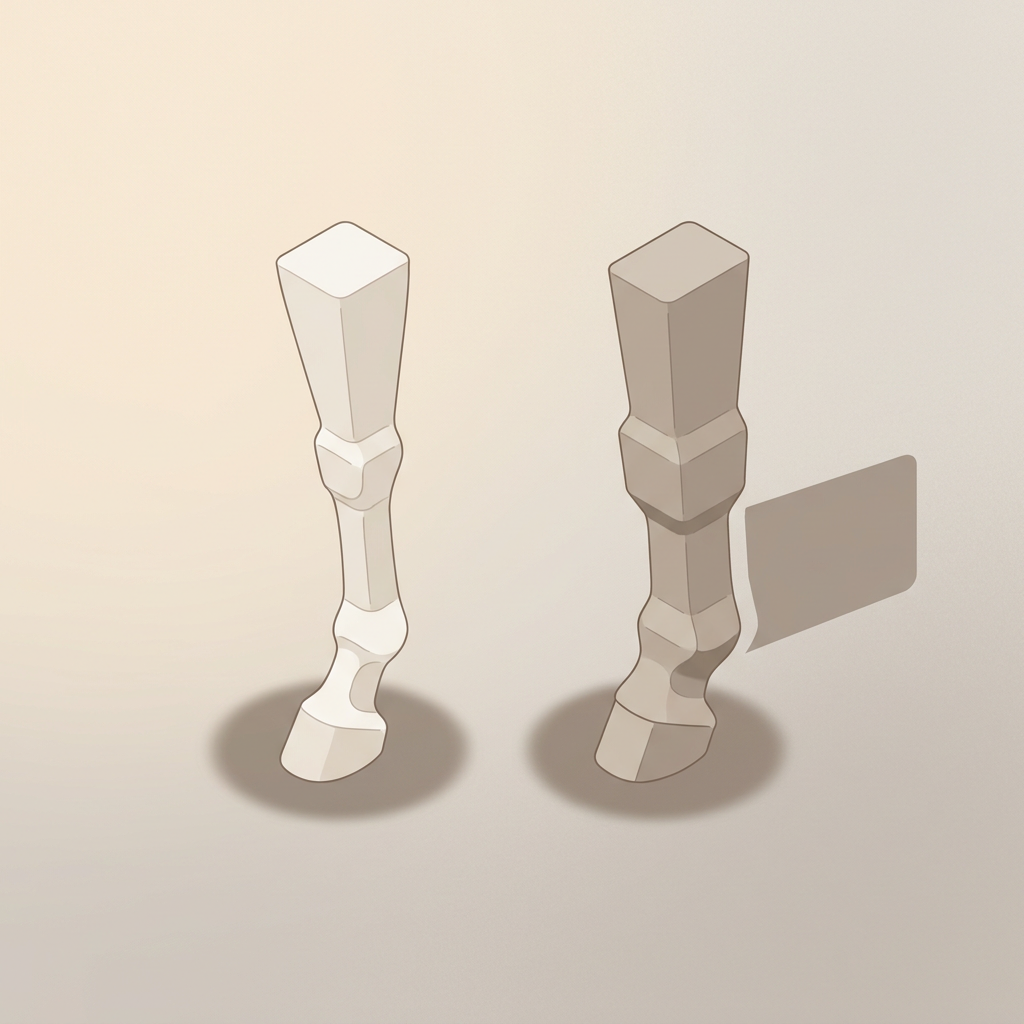
A standard mini horse has a cannon bone circumference of roughly 3.5 to 5 inches. A mini donkey falls in a similar range, but the shape is different. Donkeys tend to have slightly wider, blockier cannon bones for their height. It's subtle, but it's enough to make "one size fits minis" sizing fall apart in the pasture, sometimes literally.
Here's another thing worth knowing: donkeys have thinner skin on their lower legs and less hair coverage near the fetlock. That actually makes them more vulnerable to biting flies, not less. Stable flies (the kind that bite hard and fast) love that spot. They congregate near the ground and they're relentless.
The result? Your mini donkey is stomping, circling, refusing to settle at the hay rack. That constant movement burns real energy. For an animal already prone to metabolic challenges like hyperlipemia, that stress adds up fast. Fly protection isn't just about comfort; it's a genuine welfare issue. If you want to understand the full picture of what's happening to your donkey's legs, this guide on why donkeys' legs get bit up by flies breaks it down really well.
What Happens When Boots Don't Fit
We've all seen it. You order a "small" or "pony" fly boot, it looks about right in the package, and within ten minutes of turnout it's halfway down your donkey's leg or spinning around sideways like a tiny leg warmer.
This isn't just annoying. A boot that rotates rubs. A boot that slides down bunches at the fetlock and creates pressure points. In some cases, a poorly fitting boot causes more skin irritation than the flies it was supposed to block.
The other common failure is materials that trap heat. Donkeys have fewer sweat glands per square inch than horses, so any boot that blocks airflow creates a warm, moist environment under the fabric. That's bad for skin, and it actually attracts more insects. Breathable, woven mesh construction is a functional requirement here, not a luxury feature.
Closure quality matters too, probably more than most people expect. Low-grade hook-and-loop fasteners lose roughly 30 to 40 percent of their holding strength after just 20 wash cycles, while quality closures retain over 85 percent of their strength through 50 or more. That's the difference between a boot that lasts one season and one that goes three or four years with proper care.
How to Measure Your Mini Donkey for Fly Boots
Grab a soft measuring tape. You want two numbers:
-
Cannon bone circumference: Measure around the widest part of the cannon bone (the straight section of the lower leg between the knee and the fetlock). Most mini donkeys fall between 3.5 and 5.5 inches here.
-
Cannon bone length: Measure from just below the knee down to just above the fetlock. This tells you whether a boot will cover the right zone without bunching.
Take these measurements on a rested leg, not after your donkey has been moving around and the tendons are slightly swollen. Morning is ideal.
Don't assume your donkey wears the same size as your neighbor's mini horse. Even if they look similar in height, the bone shape is different enough to matter.
Mini Donkey Fly Boot Comparison: What's on the Market
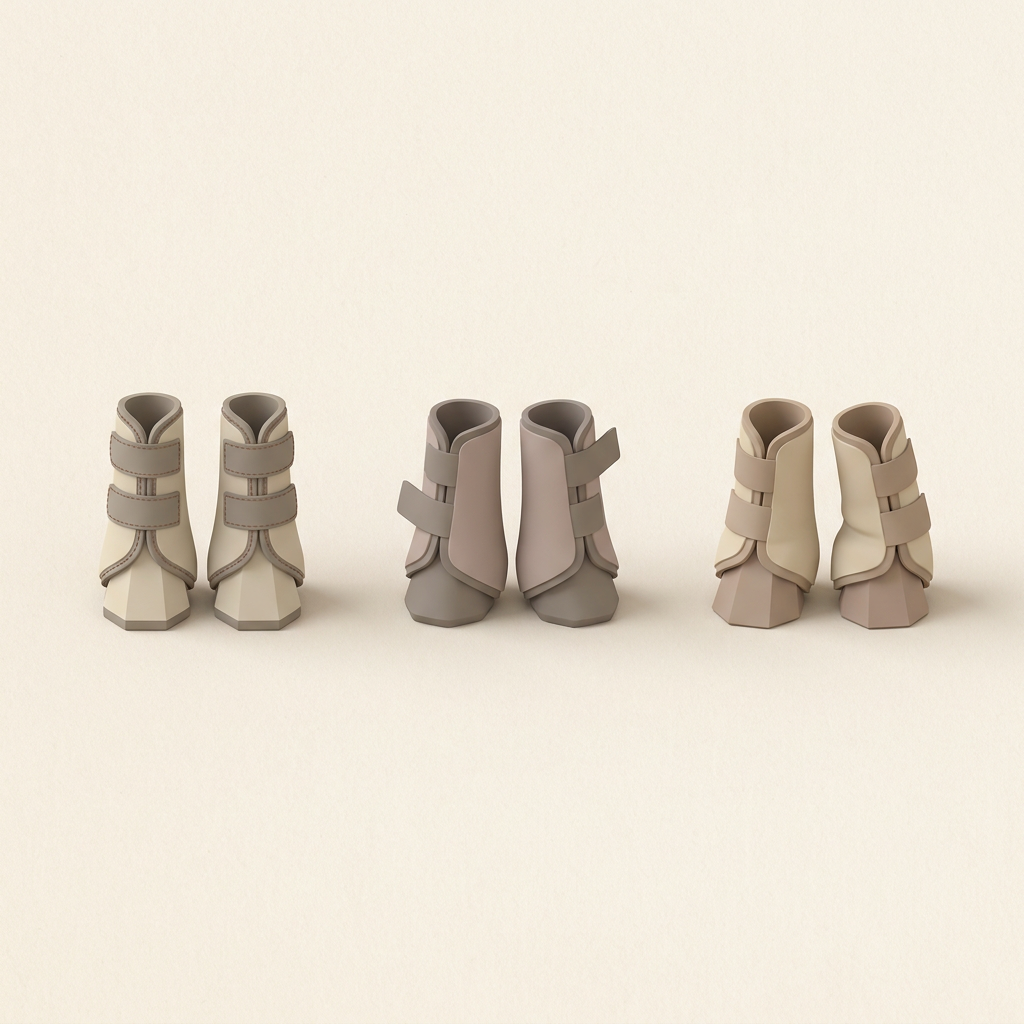
Fewer than six major equine brands offer fly boots explicitly made for mini donkeys. Most of the market is horse or pony boots being "suggested" for mini use with vague sizing guidance. Here's an honest look at what's actually out there.
| Boot Type | Designed for Mini Donkeys? | Closure System | Breathable Mesh | Durability Rating | Our Take |
|---|---|---|---|---|---|
| Kensington Mini Donkey Fly Boots | Yes, purpose-built | Dual/triple hook-and-loop | Yes, proprietary woven mesh | Excellent (50+ wash cycles) | Top pick |
| Generic "pony size" horse boots | No | Single strap, basic | Sometimes | Low to moderate | Rotates and falls off |
| Soft fabric wraps (DIY/Amazon) | No | Velcro strip | No | Very low | Traps heat, attracts insects |
| Miniature horse boots (other brands) | Partial | Single closure | Sometimes | Moderate | Wrong leg geometry for donkeys |
| Cashel or Professionals Choice "small" | No | Single strap | Partial | Moderate | Not donkey-specific sizing |
The pattern is pretty clear. The only option with species-specific engineering, breathable construction, and multi-point closures built for the mini donkey's actual leg shape is Kensington.
What We Actually Recommend
Our honest recommendation: the Kensington Mini Donkey Fly Boots are the best option on the market in 2026, and it's not particularly close.
The reasons are practical, not just promotional. These boots are built from a distinct pattern developed specifically for mini donkeys, not a shrunken horse boot, which means the geometry works with your donkey's leg rather than fighting it. The woven mesh fabric creates a physical barrier flies can't penetrate while still letting air circulate, so your donkey won't be cooking under a solid fabric wrap.
The multi-point hook-and-loop closure system is what separates a boot that stays on through a full day of grazing, rolling, and general donkey shenanigans from one that ends up in the dirt by 9 a.m. And if you're comparing costs, a cheap boot that fails after two months and gets replaced three times per season ends up costing more over three years than one quality pair that holds up season after season. The math is simple once you run it.
Kensington backs their products with a lifetime guarantee, which is a level of confidence you don't see from brands that are just resizing horse gear and calling it "mini." You can also browse the full mini donkey collection to see everything designed specifically for your animal.
Building a Complete Fly Protection System
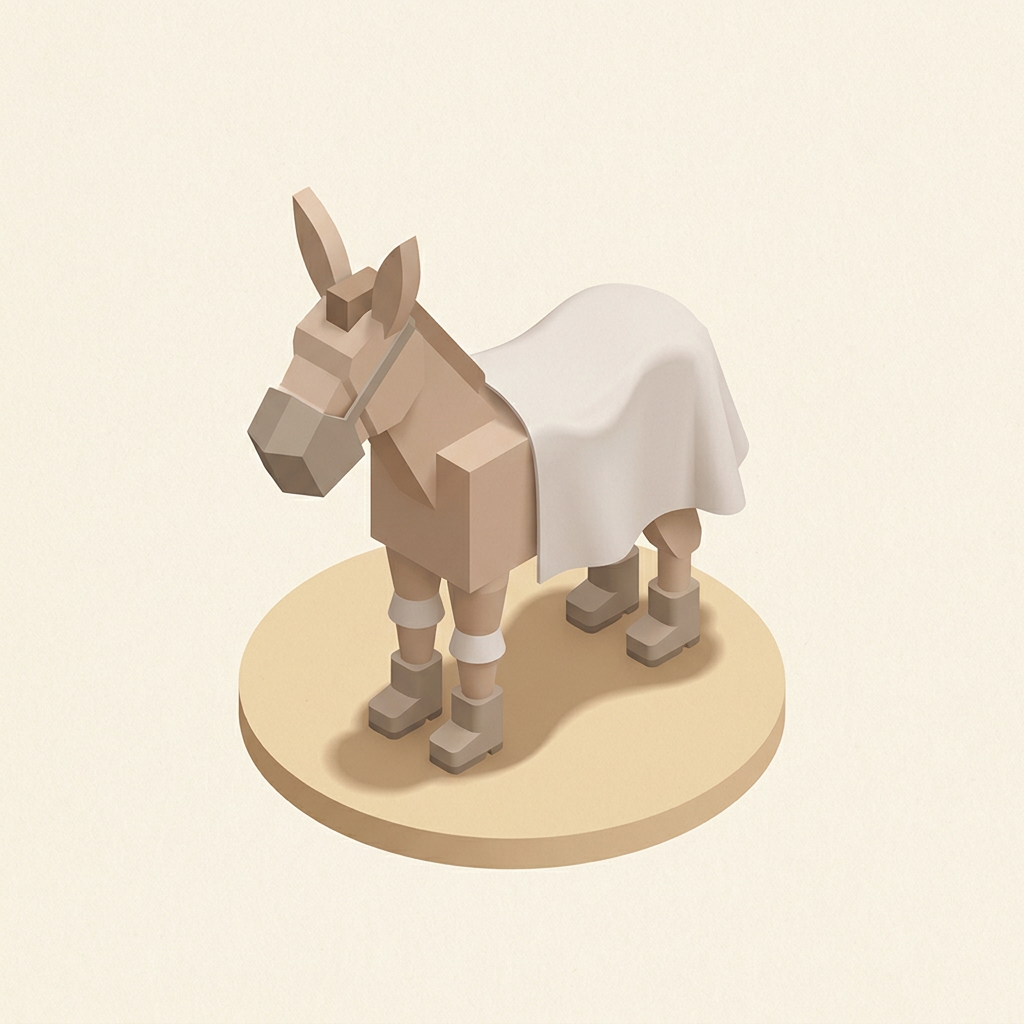
Fly boots do an excellent job protecting the lower legs, but flies don't just target legs. A real protection system covers your mini donkey from nose to tail during peak fly season, which in most of the U.S. runs from April through October, with even longer windows in the Southeast and Gulf Coast.
Here's how a full system works together.
Face and eyes are the starting point. The Kensington Mini Donkey Fly Mask with Fleece protects the face, eyes, and ears with a soft, comfortable fit. Eyes are a primary target for flies and can suffer real damage from constant irritation, so this isn't an optional add-on.
Body and belly protection comes from a fly sheet. If your donkey has light-pigmented skin, a sheet with UV blocking technology handles solar damage at the same time. Kensington's protective fly sheets are worth a look for options that do double duty.
Lower legs are where the mini donkey fly boots close the gap the sheet leaves unprotected. Put all three pieces together and you've got genuine head-to-hoof coverage.
Environment matters too. Boots and masks work best alongside good pasture management. Removing standing water, rotating grazing areas, and using fans in shelters all reduce fly pressure significantly. For a full breakdown of those environmental strategies, the complete guide to stopping flies on donkeys is worth a read.
A layered approach like this is what The Donkey Sanctuary and equine welfare researchers consistently recommend: address fly pressure from multiple angles rather than relying on any single solution.
FAQ
Can I use regular horse fly boots on my mini donkey? Honestly, it almost never works. Horse boots are built for cannon bones that are 7 to 9 inches in circumference, and your mini donkey's legs are closer to 3.5 to 5.5 inches around. The boot will rotate, slide, and fall off. Stick with boots designed specifically for mini donkeys.
Are fly boots safe to leave on all day? Yes, as long as they fit correctly and are made from breathable material. Remove them nightly to check the skin underneath and let the legs air out. Leaving any boot on overnight as a regular routine isn't a great idea.
How do I know if the boots are fitting correctly? You should be able to slide two fingers under the closure, but the boot shouldn't rotate or slide when you gently tug it. Watch your donkey for the first 30 minutes of turnout. If the boot is spinning or slipping down, the fit needs adjusting.
How long will good fly boots last? With proper care and regular washing, a quality pair from Kensington should last multiple seasons. The closures are engineered to retain their holding strength through 50 or more wash cycles, which is real longevity compared to budget alternatives that lose their grip after 10 to 15 washes.
My donkey hates getting his boots put on. Any tips? Start slow. Let your donkey sniff the boot before you try putting it on, and work on one leg at a time over a few days. Positive reinforcement training works really well with donkeys. They respond to patient, reward-based approaches much better than rushing through the process.
Do fly boots help with sweet itch? Gnats are the primary trigger for Culicoides hypersensitivity (sweet itch), and the lower legs are a prime target. Fly boots reduce biting exposure in that zone, which can help manage symptoms. For donkeys with confirmed sweet itch, pair boots with a full fly protection system and talk to your vet about additional treatment options.