

Lightweight Horse Blankets: The Complete 2026 Guide for Smart Horse Owners
A lightweight horse blanket has 0–100g of fill and works best in temperatures between 40°F and 60°F. It gives your horse just enough warmth during transitional weather without the overheating risk that comes with heavier options.
If you've ever stood in your barn on a cool October evening wondering whether your horse actually needs a blanket right now, you're not alone. We'll cover exactly when to use a lightweight blanket, how to pick the right one, and the mistakes most horse owners make without even realizing it.
Quick Reference: Lightweight Horse Blanket Essentials
- Lightweight = 0–100g fill weight (fill weight determines warmth, not the outer shell)
- Best temperature range: 40°F–60°F for unclipped horses; up to 65°F for clipped horses
- Higher denier (like 1200D) means more durability, not more warmth
- Breathability is the #1 feature to look for in this weight category
- A horse sheet (0g fill) is not the same as a lightweight blanket, know the difference
Table of Contents
- What exactly is a lightweight horse blanket?
- What temperature should you use a lightweight horse blanket?
- Sheet vs. lightweight blanket: what's the difference?
- What features actually matter in a lightweight blanket?
- How do you find the right size?
- What about draft horses, minis, and donkeys?
- Can you use a fly sheet instead of a lightweight blanket?
- How do you wash a lightweight blanket without ruining it?
- FAQ
What Exactly Is a Lightweight Horse Blanket?
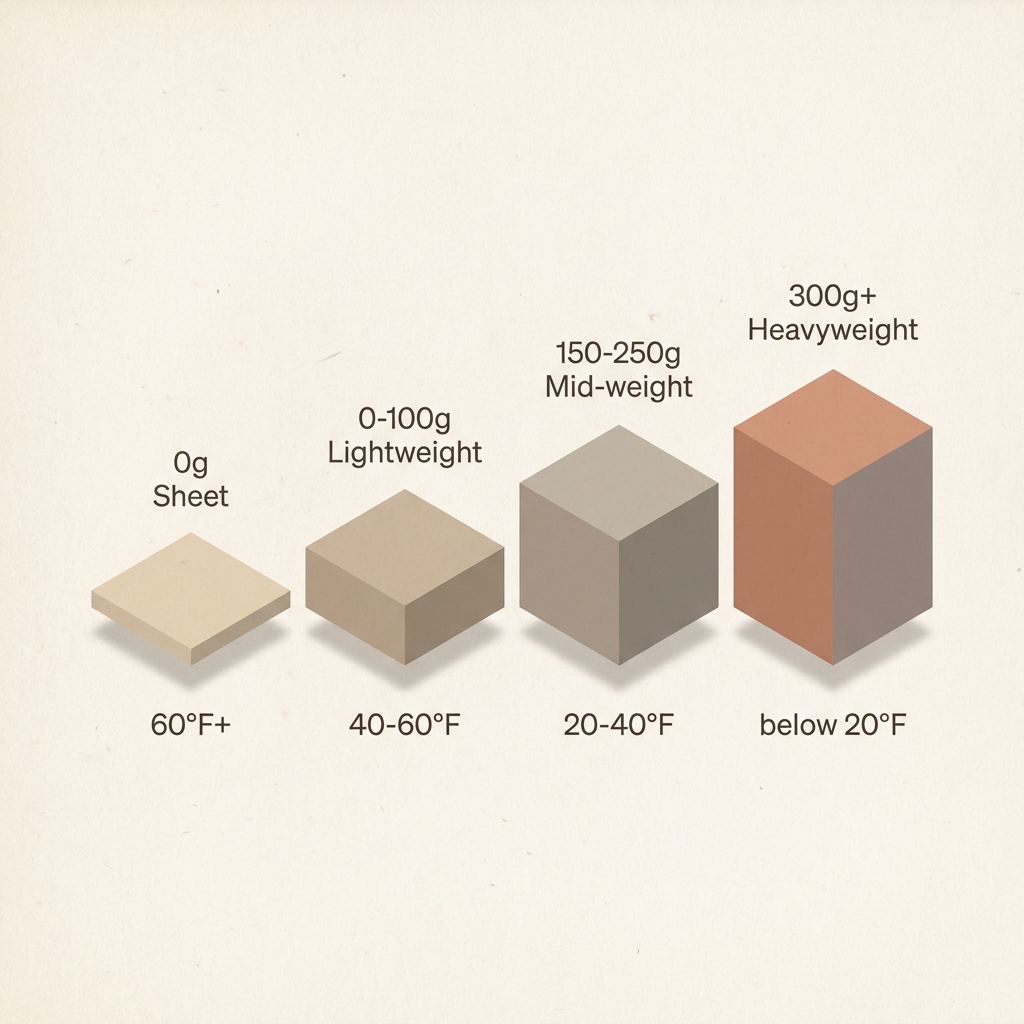
Here's where a lot of people get tripped up. When blanket manufacturers say "lightweight," they're talking about the fill weight, measured in grams per square meter (GSM). That number tells you how much insulation is inside the blanket.
| Fill Weight | Category | Best Use |
|---|---|---|
| 0g | Sheet (no fill) | UV, rain, or fly protection only |
| 0–100g | Lightweight blanket | Cool transitional weather, 40°F–60°F |
| 150–250g | Mid-weight blanket | Cold weather, 20°F–40°F |
| 300g+ | Heavyweight blanket | Very cold temps, below 20°F |
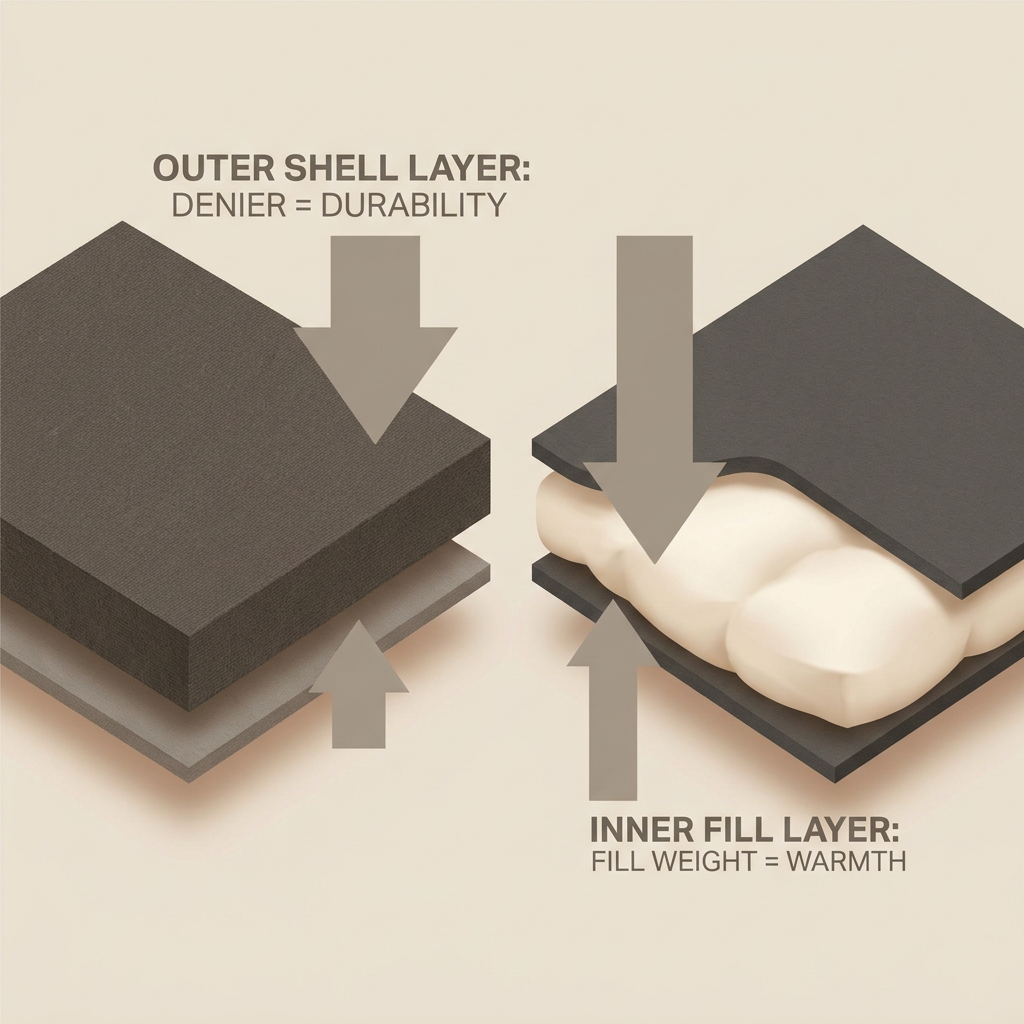
Here's the part that surprises most horse owners: a thick, tough outer shell doesn't mean a warm blanket. You can have a 1200-denier outer fabric (that's serious tear resistance) with only 50g of fill inside. It'll hold up to your horse rolling in the mud all day, but it won't make him sweat on a cool fall afternoon. That's actually exactly what you want.
Denier measures fabric strength. Fill weight (grams) measures warmth. Keep those two things separate in your head and blanket shopping gets a whole lot easier.
What Temperature Should You Use a Lightweight Horse Blanket?
Most blanketing content skips right over this, but your horse's natural thermoregulation is genuinely impressive. Research from the University of Minnesota Extension equine team shows that healthy, unclipped horses with good body condition can stay comfortable down to around 18°F without any blanket at all, as long as they have shelter and plenty of forage.
That changes the whole conversation about when to reach for a lightweight blanket.
For unclipped horses, the sweet spot is roughly 40°F–60°F. Below 40°F, most healthy horses with full coats are actually fine. Above 60°F, a lightweight blanket can cause overheating, which is worse than being slightly chilly.
For clipped horses, the rules shift significantly. A trace clip or full clip removes your horse's built-in insulation, so a clipped horse may need a lightweight blanket in temperatures as warm as 50°F–65°F. That dramatically expands when you'd reach for one.
A few other factors worth considering: a thin horse (body condition score below 4 out of 9) may need blanketing 10°F–15°F warmer than a well-conditioned horse. Senior horses and young horses also regulate heat less efficiently. And a 45°F day with wind and rain hits very differently than a calm 45°F day.
The real danger zone is over-blanketing. A 2019 study published in the Journal of Equine Veterinary Science found that horses are frequently blanketed heavier than conditions actually require, leading to sweating, overheating, and disrupted thermoregulation. A damp, sweaty horse in a too-warm blanket is worse off than an unblanketed horse on the same cool night. When in doubt, go lighter.
Sheet vs. Lightweight Blanket: What's the Difference?
This is probably the most common source of confusion in the whole blanketing world. You search "lightweight horse blanket" and half the results show fly sheets, the other half show rain sheets, and somewhere in there are actual blankets with fill. It's a lot.
A sheet has 0g of fill. It's purely protective, blocking rain, UV rays, flies, or dirt. No warmth added.
A lightweight blanket has some fill (usually 50–100g) and adds a small amount of warmth on top of basic protection.
A fly sheet, like the ones Kensington specializes in, is designed specifically to block insects and UV rays. It's not meant to add warmth at all, but it can serve as a layering piece or a warm-weather protective option.
If your horse lives outside and you need something for a cool, drizzly 50°F day, you want a lightweight turnout blanket with waterproofing and a little fill. If it's 70°F and buggy, you want a fly sheet. Understanding that difference saves you money and keeps your horse comfortable.
Speaking of fly sheets, Kensington's guide on whether fly sheets are good or bad for horses breaks down exactly when each type of protection makes sense.
What Features Actually Matter in a Lightweight Blanket?
Ask horse owners what they care most about in a lightweight blanket, and breathability wins every time. That makes total sense: if you're using a blanket in the 40°F–60°F range, overheating is a bigger risk than being too cold.
Breathability is non-negotiable here. Look for fabrics designed to wick moisture away and allow airflow. A non-breathable shell traps heat and sweat, which defeats the whole purpose.
Denier matters for turnout use. 1200D is the standard recommendation because it handles rolling, fence rubbing, and general horse chaos without tearing. Higher denier ratings indicate greater tear resistance, which is important for horses that are hard on their gear.
Waterproofing is essential for any blanket your horse wears outside. Look for a hydrostatic head rating of at least 1,200mm. Higher is better. A stable blanket doesn't need waterproofing, but don't put a non-waterproof blanket on a horse that lives outdoors.
UV protection is where lightweight blankets have really evolved. More premium options now include UPF-rated fabrics that block UV rays, which helps preserve coat color and protects horses with sensitive skin. Kensington has deep expertise here, built through nearly 70 years of work on UV-protective fly gear. If your horse spends a lot of time in the sun, this feature is worth prioritizing.
Fit and shoulder design might be the most overlooked feature of all. Poor fit is the number one cause of blanket rubs. Look for a generous shoulder gusset and a neck cut that doesn't pull or bunch. A blanket that shifts when your horse moves will cause sores fast.
How Do You Find the Right Size?
Sizing a horse blanket is simpler than it sounds. Measure from the center of your horse's chest, across the shoulder, along the barrel, to the center of the tail. That measurement in inches is your blanket size.
Most brands offer sizes from 60" to 90"+, in 2" increments. A horse that measures 74" wears a 74" blanket. Easy.
The part that trips people up is fit variation between brands. A 74" in one brand may fit very differently than a 74" in another, especially in the neck opening and shoulder area. SmartPak's horse blanket guide recommends checking brand-specific size charts before buying, since shoulder width and wither height affect fit as much as overall length.
When in doubt, go slightly larger rather than smaller. A blanket that's a touch long won't cause rubs. A blanket that pulls across the shoulders absolutely will. Also keep your horse's body condition and topline in mind, a well-muscled horse may need a different neck size than their blanket measurement alone suggests.
What About Draft Horses, Minis, and Donkeys?
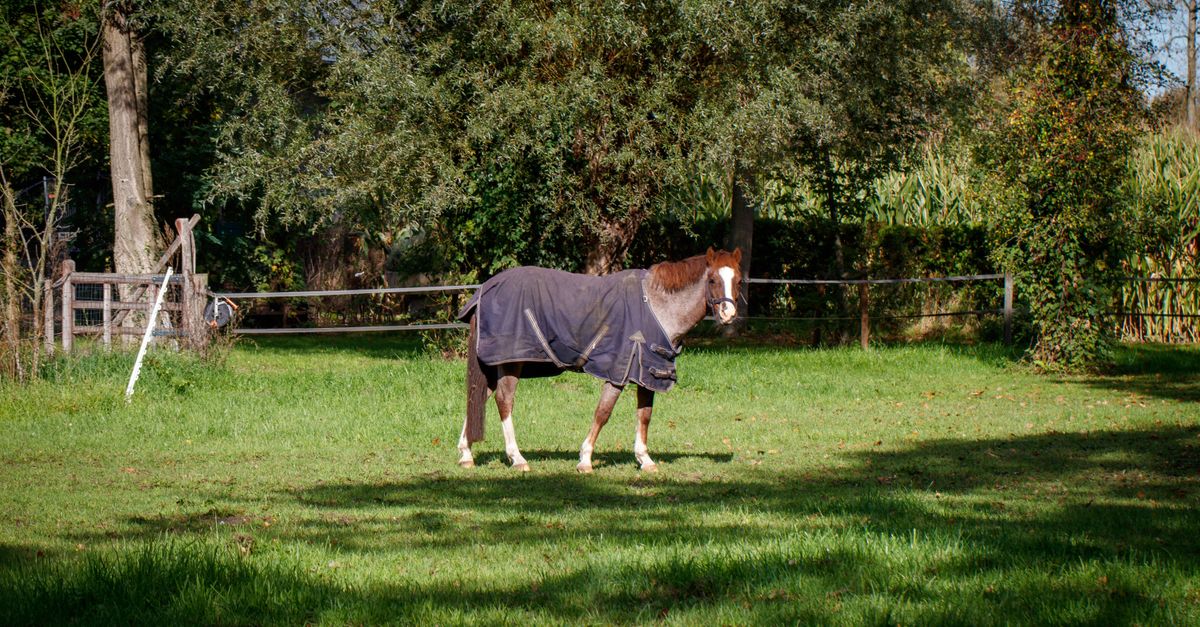
Nearly all blanket guides are written for a 15–16hh warmblood. But your barn might look very different from that.
Draft horses have wider bodies and broader chests, which means standard sizing often doesn't account for their proportions. A blanket that fits the length of a draft horse may pull uncomfortably across the shoulders. Kensington's draft collection is built with these animals in mind, not just scaled up from standard sizes.
Miniature horses have totally different body ratios from both ponies and standard horses. Kensington's miniature horse collection addresses this directly, with sizing and proportions built for their unique frame.
Mini donkeys are a different animal entirely, literally. Their thermoregulation, body shape, and skin sensitivity differ from horses, so modified horse gear won't serve them well. Kensington's mini donkey collection is built specifically for these animals.
Fit matters just as much for a 200-pound mini as it does for a 1,200-pound warmblood. If you have a non-standard equine, generic sizing won't cut it.
Can You Use a Fly Sheet Instead of a Lightweight Blanket?
Honestly, it depends on the temperature and what you're trying to accomplish.
A fly sheet (0g fill) won't add warmth. It will block UV rays, insects, and light wind. On a cool day in the 50s where your horse just needs a little barrier from the breeze and morning insects, a quality fly sheet may do the job. On a genuinely cold night dipping toward 40°F, you'll want that fill.
Kensington's protective fly sheets are designed for warm-weather insect and UV protection, making them excellent options when temperatures are still climbing. Once temps consistently drop into the 40s, that's when you layer in actual fill weight.
Think of it as a seasonal handoff: fly sheet for summer protection, lightweight blanket for fall and spring transitions, heavier blankets for deep winter. Each piece has its job.
How Do You Wash a Lightweight Blanket Without Ruining It?
This is a question most people ask after they've already made a mistake. Washing a turnout blanket the wrong way strips the DWR (durable water repellent) coating, and suddenly your "waterproof" blanket soaks through on the first rainy day.
Here's how to do it right. Use cool water on a gentle cycle only, and always use a blanket-safe detergent since standard detergent can degrade the waterproofing. Never put a turnout blanket in a hot dryer. Re-proof the blanket every one to two seasons with a spray-on product designed for horse blankets, and air dry completely before storing.
One more thing: check for repairs before washing. Small tears get bigger in the wash. Kensington's guide to repairing horse sheets and blankets walks you through DIY fixes that can significantly extend the life of your gear.
A little maintenance goes a long way. A blanket that's properly cared for can last many seasons instead of one.
FAQ
Q: Can a healthy horse wear a lightweight blanket overnight? Yes, if temperatures are in the 40°F–60°F range and the blanket fits properly. Just check on your horse in the morning. If they're sweating under the blanket, it's too warm for the conditions.
Q: Is a lightweight turnout blanket waterproof? It should be, if it's designed for turnout. Look for a hydrostatic head rating of at least 1,200mm on any blanket your horse will wear outdoors. Always check the product specs before buying.
Q: My horse runs really hot. Can I still blanket him in fall? You can, but go conservative. A 50g fill or even a 0g rain sheet may be enough for a horse that tends to run warm. Feel under the blanket regularly to make sure they're not sweating.
Q: How often should I replace a lightweight horse blanket? With proper care, including re-proofing the waterproof coating every season or two, a quality lightweight blanket should last 3–5 years. Signs it's time to replace: persistent leaks, tears that can't be repaired, or a blanket that no longer fits your horse properly.
Q: Do miniature horses and donkeys need different lightweight blankets? Absolutely. Their body proportions, thermoregulation, and sizing are completely different from standard horses. Using horse blankets on minis or donkeys almost always results in poor fit and potential rubs. Kensington builds gear specifically for these animals.
Q: When should I switch from a fly sheet to a lightweight blanket in the fall? The general rule: when nighttime temps consistently drop below 50°F for your unclipped horse (or below 60°F for a clipped horse), it's time to make the switch. This guide on what temperature is too hot for a fly sheet helps you find that exact crossover point for your situation.