

Fly Boots for Horses: 7 Key Things to Know for 2026
Fly boots protect your horse's lower legs from biting insects, UV damage, and the hoof and joint stress caused by constant stomping. They work by creating a physical barrier that insects simply can't bite through, giving your horse real, lasting relief during peak fly season.
If you've ever watched your horse stomp relentlessly on hard ground all summer, you already know how bad it can get.
Quick Reference: What You Need to Know
- Stable flies bite almost exclusively on the lower legs, up to 200 times per day on a single horse
- Horses can stomp up to 1,000 times per day in response to fly irritation, which adds up to serious joint and hoof stress
- Physical barriers outperform sprays because repellents wear off every 2-4 hours
- Sizing matters a lot, drafts, minis, and donkeys need size-specific boots
- Fly boots work best as part of a layered system (boots + sheet + mask)
Table of Contents
- Do fly boots actually work?
- The stomping problem: why this is a health issue, not just comfort
- How to choose the right fly boots for your horse
- What size fly boot does your horse need?
- Can horses wear fly boots all day and overnight?
- How to keep fly boots from slipping down
- Building a complete fly protection system
- Fly boots vs. other leg protection
- How to clean fly boots and how long they last
- FAQ
Do Fly Boots Actually Work? {#do-fly-boots-actually-work}
Short answer: yes, and the science backs it up.
Stable flies are relentless. They swarm your horse's lower legs and keep coming back every 2-4 hours, meaning you'd have to reapply repellent constantly just to keep up. Penn State Extension's horse management research recommends physical barriers as part of any serious fly management plan, precisely because they provide continuous protection without constant reapplication.
A physical barrier, like a well-fitted fly boot, doesn't wear off. Bugs hit fabric instead of skin. That's it.
Research published in Applied Animal Behaviour Science found that horses with full fly protection, including limb coverage, showed significantly lower stress-related behaviors during peak insect season. That's not just about comfort. That's a measurable animal welfare difference.
The Barrel Horse Forum community has plenty of real-world conversations from riders who've seen the difference firsthand. The consensus? Fit and fabric quality are everything.
The Stomping Problem: Why This Is a Health Issue, Not Just Comfort {#the-stomping-problem}
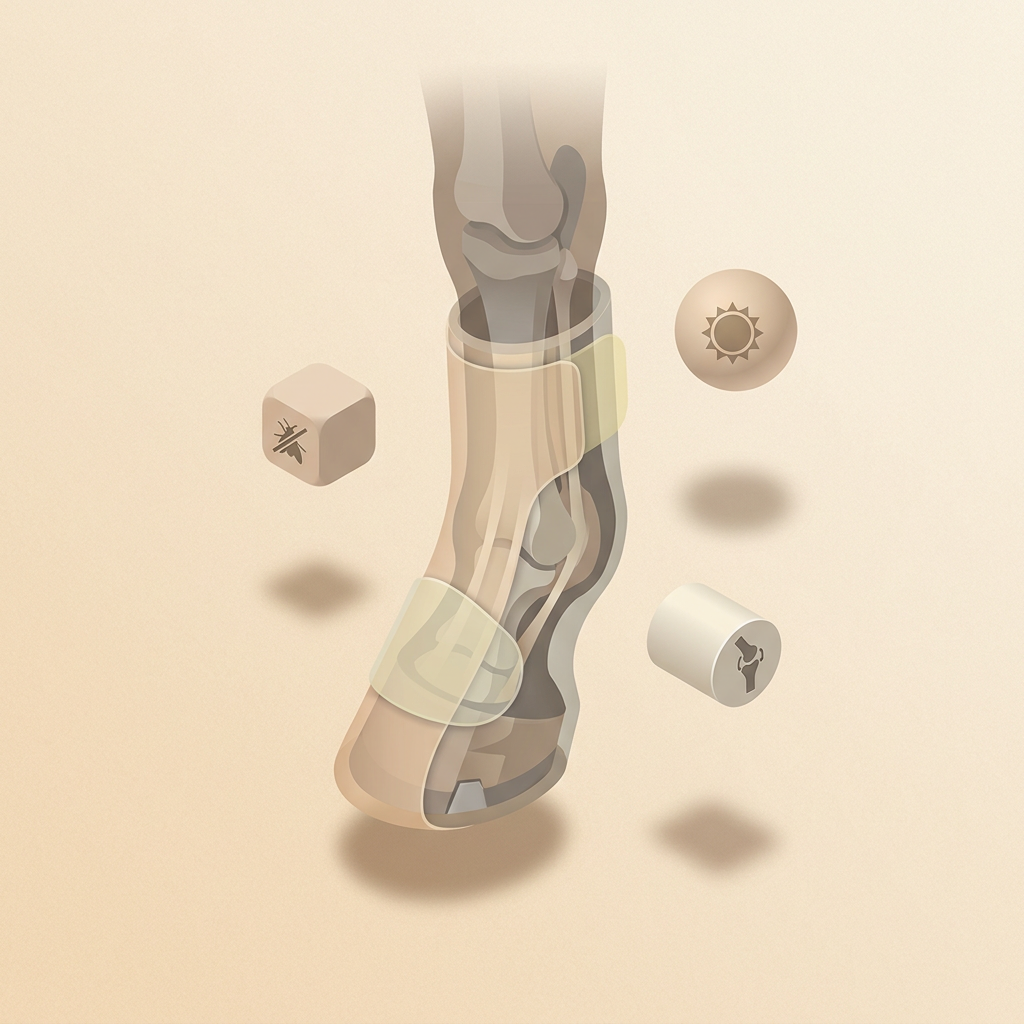
Here's something most people don't realize. Stomping isn't just annoying to watch. It's potentially damaging to your horse.
Horses can stomp up to 1,000 times per day during heavy fly season. Picture that on hard, dry summer ground, and you're looking at 1,000 concussive impacts on the fetlock, pastern, and lower joints every single day. Over weeks and months, that cumulative stress adds up fast.
Additionally, stomping is really hard on the hooves, too - and as they say "no hoof, no horse". That same force can cause sole bruising, crack the hoof walls, and even cleanly shear off horseshoe nails, causing you to become all too friendly with your farrier during the fly season.
Repeated stomping has been linked to fetlock dermatitis and a higher risk of pastern dermatitis (also called "mud fever"), especially in horses already prone to skin sensitivity. For horses with existing joint issues, it's even more of a concern.
This is why we think about fly boots differently than a lot of brands do. It's not just about keeping your horse comfortable. It's about protecting their legs from a hidden, repetitive source of wear that builds quietly all summer long.
If you have donkeys and you're dealing with serious leg biting, Kensington has a really helpful guide on why donkeys' legs get bit up by flies and whether fly boots can help. Worth a read.
How to Choose the Right Fly Boots for Your Horse {#how-to-choose}
Not all fly boots are created equal. Here's what actually matters when you're shopping.
Fabric quality comes first. Premium fly boots use solution-dyed acrylic fibers that hold their UV protection even after repeated washing. Cheaper polyester mesh degrades with UV exposure over time, meaning you lose protection without realizing it. Look for UPF 50+ ratings if your horse has white leg markings or pink skin.
The closure system is honestly the make-or-break feature. Professional-grade hook-and-loop closures maintain over 90% of their grip strength after 500+ open/close cycles. Budget versions often start failing around 150 cycles. If your boots are sliding down by mid-morning, weak closures are almost always why.
Bottom design surprises a lot of people. Fly boots with a 360-degree sealed bottom keep insects from crawling up underneath. Open-bottom designs leave a gap that flies will absolutely find. It seems like a small detail, but it makes a real difference in actual protection.
Species-specific sizing matters too. Standard sizing works for the average 15-16hh horse, but if you have a draft, a mini, a pony, or a donkey, you need boots designed for their actual leg dimensions. More on that below.
What Size Fly Boot Does Your Horse Need? {#sizing}

Sizing is where a lot of people go wrong, and honestly, it's also where a lot of brands fall short.
Most standard fly boots are designed for cannon bones measuring 8-14 inches in circumference. That covers a typical Quarter Horse or warmblood, but leaves out a huge chunk of the horse world.
Here's a simple comparison to help you think through sizing:
| Horse Type | Cannon Bone Circumference | What You Need |
|---|---|---|
| Standard horse (15-16hh) | 8-14 inches | Standard fly boots |
| Draft horse | 14+ inches | Draft-specific boots |
| Miniature horse | Under 7 inches | Mini-specific boots |
| Mini donkey | Under 6 inches | Mini donkey fly boots |
| Standard donkey | 7-9 inches | Check fit carefully |
Kensington makes fly boots specifically for each of these animals. Their mini donkey fly boots are a great example of actually thinking about every animal, not just the average-sized horse. For draft owners, the draft collection has properly sized options too.
If you're unsure, measure your horse's cannon bone circumference with a soft tape measure. When in doubt, size up slightly for easier fitting, but make sure there's no gap at the bottom.
Can Horses Wear Fly Boots All Day and Overnight? {#overnight}
This comes up constantly, and the honest answer is: all day yes, overnight requires more care.
During turnout hours, well-fitted fly boots are perfectly safe for most horses. "Well-fitted" is the key phrase there. A boot that's too tight can restrict circulation. One that's too loose will slide and rub, which creates exactly the kind of skin irritation you're trying to prevent.
For overnight use, most horse owners and vets recommend removing boots to let the skin breathe and to check for any rubbing or swelling. Unless your horse is dealing with severe fly pressure in a stall at night (which is unusual), or going outside at night/being stalled in the day, giving those legs a break overnight is the safer approach.
Always check under the boots daily. Run your hand under the cuff when you take them off, and feel for any heat, swelling, or rub marks.
How to Keep Fly Boots from Slipping Down {#slipping}
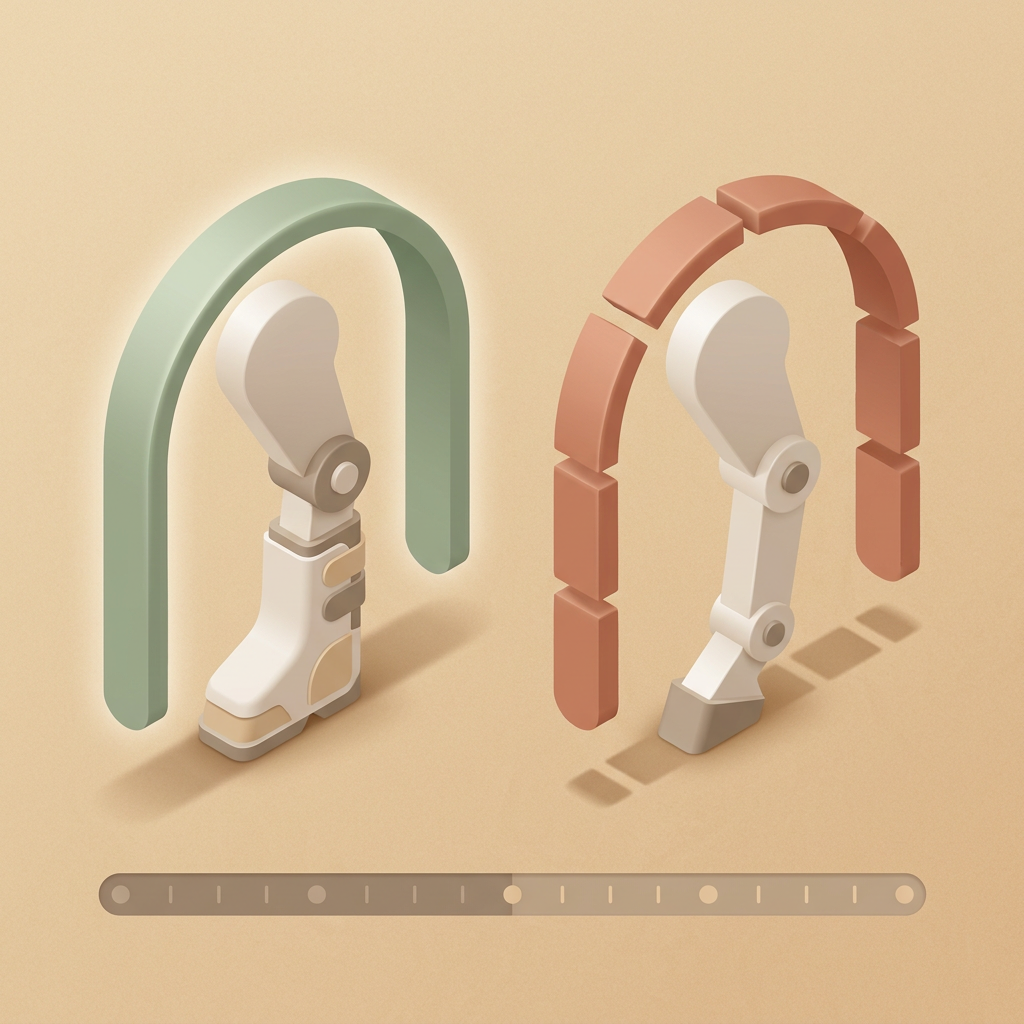
We've all been there: boots go on in the morning, and by noon they're bunched up around the fetlock. Frustrating.
Start with fit. A boot that's too big will always slip, so measure first and pick the right size for your horse's cannon bone circumference. From there, check your closures. If they've lost their grip, no amount of repositioning will help. Clean the hook-and-loop closures regularly (hair and debris kill them fast) and replace boots when the closures stop holding firmly.
Apply the boot snugly, not tightly. You should be able to slip two fingers under the top. Snug enough to stay put, loose enough to not restrict circulation.
Some horses with very fine or tapered legs do better with certain boot profiles. If you've tried everything and they still slide, it may just be a product mismatch rather than anything you're doing wrong.
Building a Complete Fly Protection System {#complete-system}
Here's something most guides skip over. Fly boots alone are great, but flies attack from multiple directions at once. Stable flies go for the legs. Horse flies and face flies target the head and eyes. Gnats and midges attack the belly and face.
Think of it like layering sun protection: one product covers one zone, and a complete system covers everything.
At Kensington, the full system works like this: fly boots for the lower legs (the primary stomping zone), a protective fly sheet to cover the body and belly, a fly mask to protect the face and eyes, and a belly band for horses that need extra coverage under the barrel. Pairing a fly sheet with leg protection can reduce biting insect contact by up to 95%, according to equine entomology extension data from the University of Florida IFAS. That's a massive difference compared to boots or sprays alone.
The Kensington fly boots collection is a great starting point. From there, you can add the horse protective fly sheet and a fly mask to build out the full system.
Want to understand what keeps horse flies away more broadly? This guide on what keeps horse flies away lays out the full picture really well.
Fly Boots vs. Other Leg Protection {#fly-vs-other}
People sometimes confuse fly boots with polo wraps or splint boots. They're completely different products designed for completely different jobs.
| Product | Purpose | When to Use |
|---|---|---|
| Fly boots | Insect protection, UV blocking | Turnout, pasture, summer season |
| Polo wraps | Tendon/leg support during exercise | Riding, lunging |
| Splint boots | Impact protection during work | Arena work, jumping |
| Shipping boots | Padding during transport | Loading and trailering |
Fly boots won't stabilize a tendon during exercise, and they're not appropriate to wear during riding in most cases. Their job is to protect exposed legs from insects and UV during the hours your horse is standing in pasture or turnout. Use them for what they're designed for, and they'll do that job really well.
How to Clean Fly Boots and How Long They Last {#cleaning}
Good fly boots, properly cared for, should last multiple seasons. Here's how to get the most out of them.
Most fly boots can be hand-washed or put in a laundry bag on a gentle machine cycle. Use a mild detergent and skip the fabric softener, which can clog the mesh and reduce airflow. Let them air dry, away from direct sunlight when possible. Before washing, fold the closures back on themselves to keep them from collecting lint in the machine, and use an old toothbrush to clear out hair and dirt from the hooks regularly.
Store them clean and dry. Damp boots stored folded together develop mildew fast, and that weakens the fabric over time.
Know when to replace them. If the closures no longer hold firmly, if the fabric has visible holes or thinning spots, or if the seams are separating, it's time for a new pair. A boot that doesn't stay on isn't protecting anything.
Kensington products are backed by a lifetime guarantee, which tells you something about how they're built. These aren't seasonal throwaway items.
FAQ {#faq}
Are fly boots safe for horses with skin conditions like scratches or mud fever? It depends on the severity. If your horse has active, open wounds or inflamed skin, only put boots on over them with your vet's guidance. A boot that traps moisture against compromised skin can make things worse. Once the skin is healing and closed, a clean fly boot can actually help by keeping flies off the affected area.
Do donkeys and mini horses need different fly boots than regular horses? Absolutely yes. Their leg proportions are completely different from a standard horse. Ill-fitting boots slide, rub, and leave gaps that flies exploit. Kensington makes boots specifically sized for mini donkeys and miniature horses, so it's worth getting the right fit.
How many fly boots does a horse need? Most horses wear boots on all four legs during peak fly season. Front legs alone won't stop the stomping cycle if the hind legs are still getting attacked.
Can fly boots be used alongside fly spray? Yes, and it's actually a solid combination. Apply spray to the areas the boots don't cover, and let the boots handle the lower legs where spray wears off fastest anyway. Just make sure the spray is fully dry before putting the boots on.
What's the difference between regular fly boots and UV-protective fly boots? UV-protective fly boots use fabrics rated UPF 50+ that block over 98% of UV radiation at the leg surface. This matters most for horses with white leg markings, pink skin, or conditions that make them prone to sunburn. If your horse has any of those characteristics, it's worth the upgrade.
How do I know if my horse's fly boots fit correctly? You should be able to slide two fingers under the top cuff, the boot shouldn't rotate or shift when your horse walks, and there should be no gap at the bottom where flies could enter. If the boot is sliding by midday, revisit the sizing.